Discover the simplest, most effective method for creating a deeply nourishing and flavorful elixir right in your own kitchen. This guide to making Slow Cooker Bone Broth will walk you through every step, transforming humble ingredients into liquid gold. Forget store-bought versions; this recipe is your key to a pure, gelatin-rich broth that’s perfect for sipping, soups, and sauces.
We’ll harness the low-and-slow power of your Crock-Pot to extract every bit of goodness from the bones, creating a broth that’s not only delicious but also packed with collagen, protein, and essential minerals. This is more than just a recipe; it’s a foundational technique for a healthier kitchen.
Why You’ll Love This Slow Cooker Bone Broth Recipe
Making bone broth can seem intimidating, but using a slow cooker simplifies the process beautifully. Just set it and forget it! You’ll love this method because it’s incredibly hands-off, fills your home with a comforting aroma, and produces a consistently perfect result every time. It’s the easiest way to achieve a nutrient-dense broth that supports gut health, skin, and joints. Plus, it’s a fantastic way to reduce food waste by using leftover bones and vegetable scraps.
What is Bone Broth? (And Why is it So Good for You?)
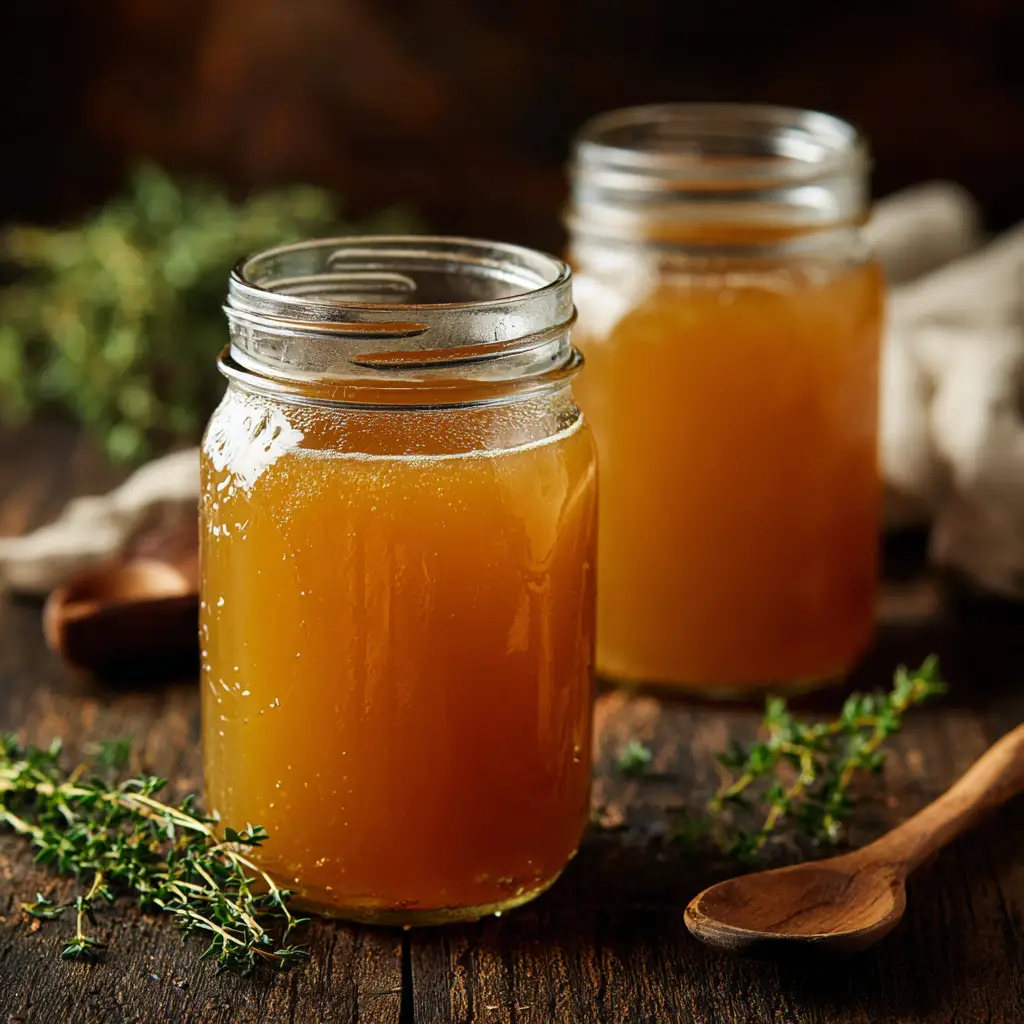
Bone broth is a savory liquid made by simmering animal bones and connective tissue for an extended period, typically 12 to 24 hours. Unlike traditional stock, which simmers for a shorter time, this long cooking process breaks down the bones and connective tissues, releasing beneficial compounds like collagen, gelatin, amino acids, and minerals.
The result is a nutrient-packed liquid that has been valued for centuries for its health benefits. It’s known to support digestion, boost the immune system, and promote healthy skin, hair, and nails. Incorporating this homemade Slow Cooker Bone Broth into your diet is a simple step towards better wellness.
The Essential Ingredients for Perfect Bone Broth
The beauty of bone broth lies in its simplicity. You only need a few key ingredients to create something truly special. Quality is paramount, so choose the best you can find.
Choosing Your Bones: The Key to Flavor and Gelatin
The type of bones you use is the single most important factor. A mix of different types will give you the most well-rounded and gelatin-rich broth. Aim for about 3-4 pounds of bones to fit a standard 6-quart slow cooker.
- Beef Bones: Knuckle bones, marrow bones, and oxtail are excellent choices. They create a deep, rich flavor.
- Chicken Bones: Use a whole carcass from a roasted chicken, along with feet and wing tips for extra collagen. Chicken broth is lighter in flavor.
- Pork Bones: Neck bones and trotters are fantastic for creating a gelatinous broth.
The Supporting Cast: Vegetables and Aromatics
While bones are the star, aromatics build the background flavor. You don’t need much to enhance the broth.
- Onion, Carrots, and Celery: The classic mirepoix adds a savory, aromatic base.
- Apple Cider Vinegar: A crucial ingredient! Just a splash helps draw the minerals out of the bones.
- Herbs and Spices: Bay leaves, whole peppercorns, and parsley stems add depth. Avoid adding salt until you use the broth in a final dish.
How to Make Slow Cooker Bone Broth (Step-by-Step)
This foolproof method makes crafting your own Slow Cooker Bone Broth a breeze. Follow these simple steps for a perfect batch every time.
- Roast the Bones (Optional but Recommended): For a deeper, richer flavor, start by roasting your bones. Place them on a baking sheet and roast at 400°F (200°C) for 20-30 minutes until they are browned. This step is especially important for beef bones.
- Combine Ingredients in the Slow Cooker: Transfer the roasted bones to your slow cooker. Add the chopped vegetables, bay leaves, peppercorns, and the crucial splash of apple cider vinegar.
- Add Water: Fill the slow cooker with cold, filtered water, ensuring the bones and vegetables are fully submerged. Leave about an inch of space at the top.
- Cook Low and Slow: Set the slow cooker to low and let it work its magic for at least 12 hours, and up to 24. A longer simmer time extracts more nutrients and collagen. Don’t be tempted to cook it on high; the gentle heat is key.
- Strain the Broth: Once the cooking time is complete, turn off the slow cooker. Carefully strain the broth through a fine-mesh sieve or cheesecloth into a large bowl or pot. Discard the bones and vegetables.
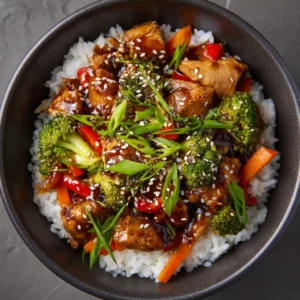
- Cool and Store: Let the broth cool to room temperature before transferring it to the refrigerator. Once chilled, a layer of fat will solidify on top. You can skim this off and discard it or save it for cooking. This is also when you’ll see if your broth has gelled! For an easy meal, try this Slow Cooker Beef and Broccoli recipe.
Pro Tips for the Clearest, Most Gelatinous Broth
Want to take your broth from good to great? Follow these expert tips.
- Use a Variety of Bones: For the highest collagen content, use a mix of marrow bones, knuckle bones, and feet (like chicken feet).
- Start with Cold Water: Always cover your ingredients with cold water. This helps to extract the proteins more clearly.
- Don’t Stir: Resist the urge to stir the broth while it’s simmering. This can make the final product cloudy.
- Blanch First for Clarity: For an exceptionally clear broth, you can blanch the bones first. Cover them with cold water in a stockpot, bring to a boil, and simmer for 15-20 minutes. Skim off the impurities, then rinse the bones before roasting.
For another comforting slow cooker meal, consider making Slow Cooker Italian Wedding Soup with your homemade broth.
Storing Your Liquid Gold: Freezing and Refrigeration
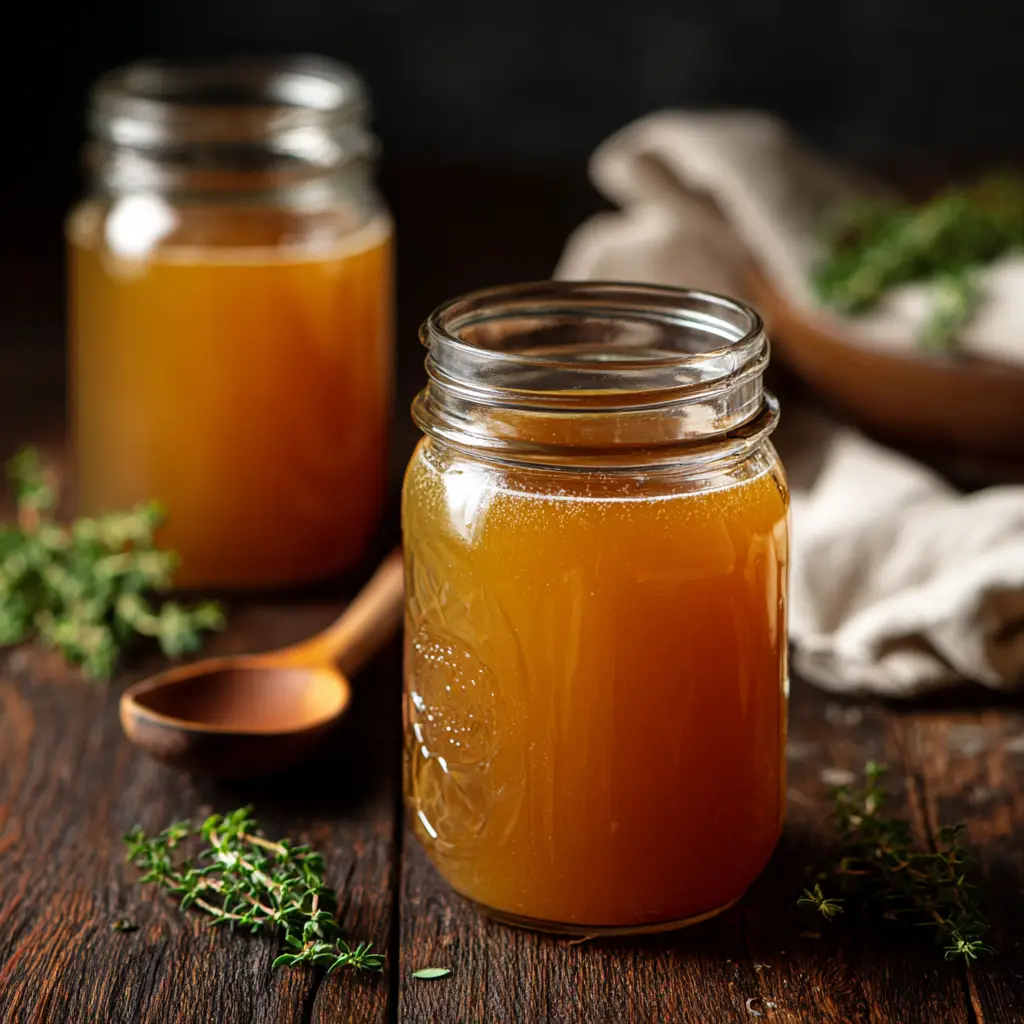
Proper storage is essential to keep your broth fresh. Once cooled and skimmed, your broth can be stored in airtight containers.
- Refrigerator: The broth will last for up to 5-7 days in the fridge.
- Freezer: For longer storage, freeze your broth. Pour it into freezer-safe jars (leave an inch of headspace), silicone trays, or freezer bags. It will keep for up to 6 months. Ice cube trays are perfect for freezing small, convenient portions.
Troubleshooting: Why Didn’t My Bone Broth Gel?
A jiggly, gelatinous broth is the sign of a high-collagen content. If your broth doesn’t gel once chilled, don’t worry! It’s still packed with nutrients. The most common reasons are the ratio of water to bones was too high, the wrong type of bones were used (not enough connective tissue), or the simmer time was too short. Next time, add more joint-rich bones like knuckles or feet and ensure a long, slow simmer. It’s a simple fix for your next batch!
If you’re looking for other easy Crock-Pot recipes, this Crockpot Salsa Verde Chicken Tacos recipe is a family favorite.
Creative Ways to Use Your Homemade Bone Broth
While sipping a warm mug of broth is wonderful, there are countless ways to incorporate it into your cooking. Use it as a base for soups and stews, to cook grains like rice or quinoa for added flavor and nutrients, or as a rich liquid for sauces and gravies. It adds a savory depth of flavor that water simply can’t match.
Frequently Asked Questions About Slow Cooker Bone Broth
While it’s an optional step, we highly recommend roasting the bones, especially beef bones. Roasting caramelizes the meat and marrow, which creates a deeper, richer, and more complex flavor in the finished broth.
After straining and cooling, store your bone broth in airtight containers. It will last in the refrigerator for up to 7 days or in the freezer for up to 6 months.
For best results, cook your bone broth on low for a minimum of 12 hours. For maximum nutrient extraction and a more gelatinous result, we recommend cooking it for up to 24 hours.
A combination is best! Use a mix of marrow bones for flavor and meaty bones, along with high-collagen bones like knuckles, oxtails, and chicken or pig feet to ensure a gelatin-rich broth.
If your broth doesn’t gel when chilled, it’s likely due to one of three things: the water-to-bone ratio was too high, the simmer was too short, or there weren’t enough collagen-rich bones (like joints and feet). It’s still nutritious, though!
Share Your Culinary Creations!
We hope this guide inspires you to make your own nourishing Slow Cooker Bone Broth. It’s a rewarding process that yields a truly superior product. If you try this recipe, we’d love to see your results! Share your creations and tag us on Pinterest. Happy simmering!

Slow Cooker Bone Broth Recipe
Slow Cooker Bone Broth: The Ultimate Guide to a Nutrient-Rich Elixir
Ingredients
Equipment
Method
- Preheat your oven to 400°F (200°C). Place the bones on a baking sheet and roast for 20-30 minutes, until well-browned. This step is optional but adds significant depth of flavor.
- Transfer the roasted bones to a 6-quart or larger slow cooker. Add the chopped carrots, celery, onion, apple cider vinegar, black peppercorns, and bay leaves.
- Pour in enough cold, filtered water to cover all the ingredients by at least an inch. Be sure to leave about an inch of space at the top of the slow cooker.
- Cover the slow cooker and cook on the low setting for a minimum of 12 hours, and up to 24 hours. The longer it simmers, the more nutrient-rich the broth will be.
- Once done, turn off the slow cooker and let it cool slightly. Place a fine-mesh sieve or cheesecloth over a large pot or bowl and carefully pour the broth through it to strain out all the solids.
- Allow the broth to cool to room temperature. Then, transfer it to the refrigerator to chill completely (for at least 6 hours or overnight). A layer of fat will solidify on top; skim this off with a spoon. The broth underneath should be gelatinous.
- Store the finished bone broth in airtight jars or containers in the refrigerator for up to 7 days, or freeze for up to 6 months.
Notes
Do not add salt during cooking. This allows you to control the seasoning later when you use the broth in other recipes.
The solidified fat skimmed from the top can be saved and used as a cooking fat (tallow or schmaltz).