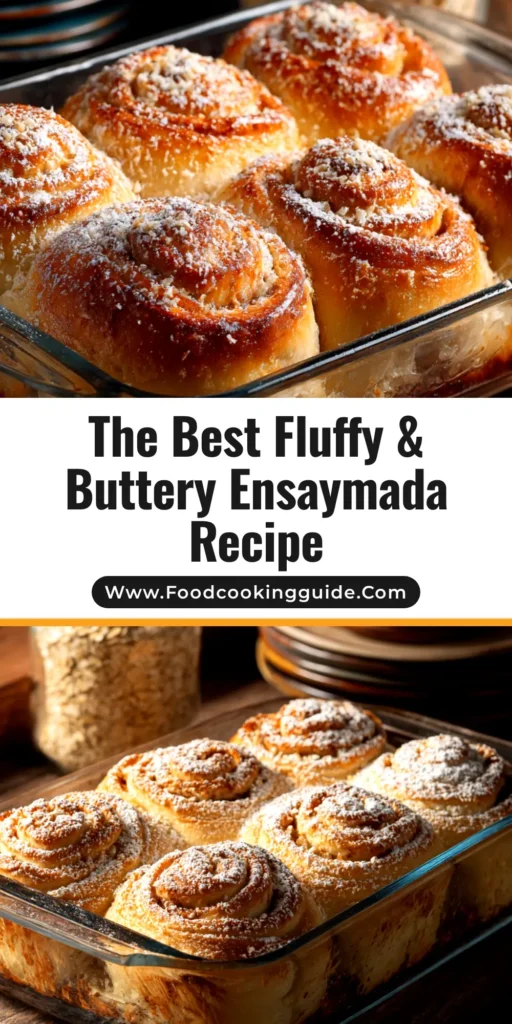
Welcome to the ultimate Ensaymada Recipe! If you’ve ever dreamed of baking a batch of incredibly soft, buttery, and cheesy Filipino sweet bread that rivals your favorite local bakery, you’ve come to the right place. This guide is packed with tips and detailed steps to ensure your homemade ensaymada is pillowy, rich, and absolutely irresistible. Say goodbye to dense, dry bread and hello to melt-in-your-mouth perfection.
This recipe is designed for the enthusiastic home cook who loves creating delicious treats for family and friends. We’ll walk through every stage, from creating a strong dough to whipping up the signature buttercream topping. Get ready to fill your kitchen with the heavenly aroma of freshly baked brioche.
What is Ensaymada?
Ensaymada is a beloved pastry from the Philippines, known for its iconic spiral shape, incredibly soft texture, and rich, buttery flavor. Its origins trace back to the Spanish colonial era, evolving from the Mallorcan “ensaïmada.” The Filipino version, however, has become distinctly its own. It’s a type of brioche, enriched with eggs, sugar, and a generous amount of butter. After baking, it’s traditionally slathered with more butter (or a sweet buttercream), sprinkled with sugar, and topped with grated cheese, creating a perfect balance of sweet and savory.
Why You’ll Love This Ensaymada Recipe
- Incredibly Soft & Fluffy: We use specific techniques to develop a strong gluten network, resulting in a pillowy, cloud-like texture that stays soft for days.
- Rich & Buttery Flavor: This recipe doesn’t skimp on high-quality butter, delivering the authentic, decadent flavor every great ensaymada should have.
- Perfectly Sweet & Savory: The combination of the sweet brioche dough, luscious buttercream frosting, and sharp, salty cheese is a classic for a reason.
- Foolproof Instructions: We break down the process into simple, easy-to-follow steps, with tips to guide you to success, whether you’re a beginner or a seasoned baker. For another foolproof baking project, try our bakery-style chocolate chip cookies.
Key Ingredients for Perfect Ensaymada
Achieving that signature texture starts with using the right ingredients. Here’s what you’ll need and why it matters:
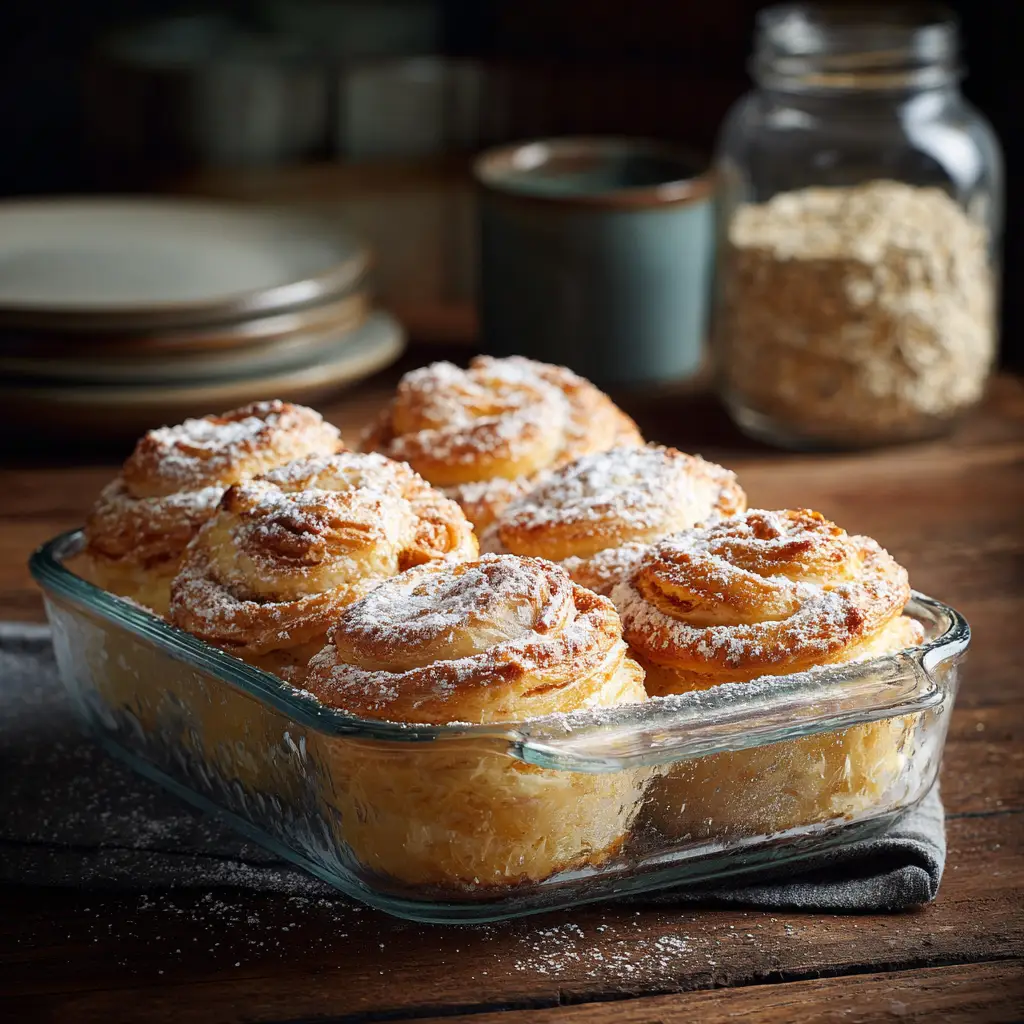
- Bread Flour: This is non-negotiable for a soft, chewy crumb. Its high protein content is essential for developing strong gluten, which traps air and gives the ensaymada its light, airy structure.
- Active Dry Yeast: The leavening agent that makes the dough rise. Ensure your yeast is fresh and properly activated for the best results.
- Whole Milk: Adds moisture and fat, contributing to a tender crumb and rich flavor. It should be lukewarm to properly activate the yeast.
- Granulated Sugar: Provides sweetness for the dough and food for the yeast.
- Eggs: Eggs are crucial for richness, color, and structure. Use room temperature eggs to ensure they incorporate smoothly into the dough.
- Unsalted Butter: The star of the show! A generous amount of softened butter creates the melt-in-your-mouth texture and incredible flavor.
- Salt: Balances the sweetness and enhances the overall flavor.
For a different take on a rich and savory bread, check out our Tomato Basil Bread recipe.
Step-by-Step Instructions: How to Make Ensaymada
This detailed guide will walk you through creating the perfect batch of this classic Filipino bread. Patience during the kneading and proofing stages is the key to success!
Making the Dough
First, activate the yeast. In the bowl of a stand mixer, combine lukewarm milk, a tablespoon of sugar, and the active dry yeast. Let it sit for 5-10 minutes until it becomes foamy. Once foamy, add the remaining sugar, eggs, and salt. Whisk gently to combine. Add the bread flour to the bowl. Using the dough hook attachment, mix on low speed until a shaggy dough forms.
Next, begin adding the softened butter, one tablespoon at a time, waiting until each piece is incorporated before adding the next. This slow process is crucial for a smooth, enriched dough. Once all the butter is added, increase the mixer speed to medium and let it knead for 15-20 minutes. The dough should become smooth, elastic, and pull away from the sides of the bowl. It will be sticky, but should pass the “windowpane test” – a small piece can be stretched thin enough to see light through it without tearing.
First Rise (Proofing)
Lightly grease a large bowl with oil or melted butter. Form the dough into a ball and place it in the bowl, turning it over to coat lightly. Cover the bowl with plastic wrap or a damp cloth. Let the dough rise in a warm, draft-free spot for 1.5 to 2 hours, or until it has doubled in size.
Shaping the Ensaymada Coils
Once risen, gently punch down the dough to release the air. Transfer it to a lightly floured surface and divide it into 12 equal portions. Working with one portion at a time, use a rolling pin to roll the dough into a thin rectangle, about 8×4 inches. Spread a thin layer of softened butter over the surface. Roll the rectangle up tightly from the long edge to form a log. Then, starting from one end, coil the log into a spiral shape, tucking the end securely underneath. Place the shaped coil into a greased ensaymada mold or onto a parchment-lined baking sheet.
Second Rise
Cover the shaped ensaymada loosely with plastic wrap. Let them rise again in a warm place for about 45-60 minutes, or until they look puffy and have increased in size by about 50%. While they rise, preheat your oven to 350°F (175°C).
Baking to Golden Perfection
Just before baking, brush the tops of the ensaymada with an egg wash (one egg beaten with a tablespoon of milk). This will give them a beautiful, golden-brown sheen. Bake for 20-25 minutes, or until the tops are deeply golden and an instant-read thermometer inserted into the center registers 190°F (88°C). Let them cool on a wire rack before topping.
The Signature Ensaymada Topping
No ensaymada is complete without its classic topping. The combination of sweet, creamy buttercream and sharp, salty cheese is what makes it truly special.
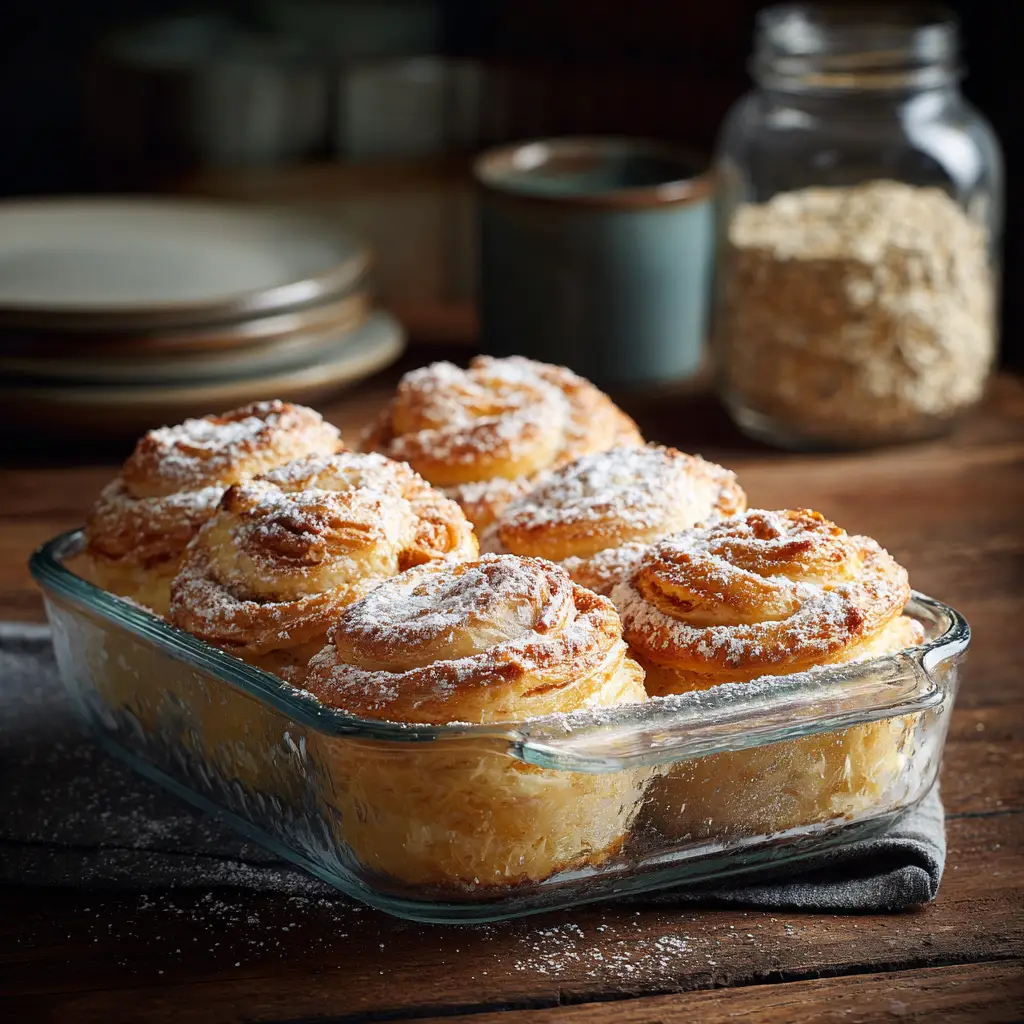
To prepare the topping, beat softened butter with powdered sugar and a splash of milk until it’s light and fluffy. Once the baked ensaymada have cooled slightly, spread a generous layer of this buttercream over the top of each one. Immediately sprinkle with granulated sugar and a heaping amount of finely grated cheese. Edam cheese (Queso de Bola) is traditional, but a sharp cheddar also works wonderfully.
Pro Tips for the Best Ensaymada
- Use a Kitchen Scale: For baking, accuracy is key. Measuring your ingredients, especially flour, with a kitchen scale will yield the most consistent and reliable results.
- Don’t Rush the Kneading: The long kneading time is essential for developing gluten, which creates the soft, airy texture. Be patient and trust the process.
- Mind Your Proofing Environment: Dough rises best in a warm, humid, and draft-free environment. If your kitchen is cold, you can place the bowl in an oven that is turned off with the light on.
Storing and Reheating Instructions
Ensaymada are best enjoyed on the day they are made, but they can be stored in an airtight container at room temperature for up to 3 days. To reheat and refresh them, simply warm them in a microwave for 15-20 seconds or in a toaster oven for a few minutes until soft and warm.
For a savory breakfast option, you might also like these easy ham and egg cups.
Frequently Asked Questions About Making Ensaymada
Yes, you can make it by hand, but it requires significant effort. You will need to knead the dough on a lightly floured surface for about 25-30 minutes. It will be a very sticky dough initially, but keep kneading until it becomes smooth and elastic.
The key to soft ensaymada is proper gluten development and patience. You must use bread flour for its high protein content and knead the dough for a full 15-20 minutes until it passes the ‘windowpane test.’ Also, ensure you don’t skimp on the fat (butter and eggs) and allow the dough to fully double in size during both rises.
Traditionally, Filipino ensaymada is topped with grated Edam cheese, known locally as Queso de Bola. Its sharp, salty flavor perfectly balances the sweetness of the bread and frosting. If you can’t find it, a good quality sharp cheddar is an excellent substitute.
Perfect ensaymada should have a very soft, pillowy, and airy texture, similar to a high-quality brioche. It should be rich and buttery, tearing into tender strands. It should not be dense, dry, or crumbly.
The most common reason for dough not rising is expired or inactive yeast. Always check the expiration date and ensure your yeast becomes foamy when proofed in lukewarm milk and sugar. Another reason could be that the milk was too hot, which can kill the yeast.
The Best Ensaymada Recipe
Ensaymada Recipe (The Softest, Fluffiest Filipino Brioche)
Ingredients
Equipment
Method
- In a stand mixer bowl, combine lukewarm milk, 1 tbsp sugar, and yeast. Let sit for 5-10 minutes until foamy.
- To the yeast mixture, add the remaining 1/2 cup sugar, eggs, and salt. Whisk briefly. Add the bread flour and mix on low speed with the dough hook until a shaggy dough forms.
- Add the softened butter, one piece at a time, mixing until each is incorporated. Increase speed to medium and knead for 15-20 minutes until the dough is smooth, elastic, and pulls away from the bowl.
- Form dough into a ball and place in a greased bowl. Cover and let rise in a warm place for 1.5-2 hours, or until doubled.
- Punch down the dough and divide into 12 pieces. Roll each piece into an 8x4 inch rectangle, spread with softened butter, and roll into a tight log. Coil the log into a spiral and place in a greased mold or on a baking sheet.
- Cover the shaped dough and let rise for 45-60 minutes until puffy. Preheat oven to 350°F (175°C).
- Brush with egg wash and bake for 20-25 minutes until golden brown. Let cool on a wire rack.
- Beat softened butter, powdered sugar, and 1 tbsp milk until fluffy. Spread over cooled ensaymada. Sprinkle with granulated sugar and top with grated cheese.
Notes
Ensure your yeast is fresh and active. If it doesn't foam up in the first step, it may be expired.
Share Your Creations!
We are confident this will become your go-to Ensaymada Recipe. There is nothing quite like the pride of pulling these golden, buttery coils from your oven. If you make this recipe, we’d love to see it! Share your photos and tag us. Don’t forget to save it to your favorite board on Pinterest!