When you crave the comfort of an Italian classic but your taste buds are screaming for the bold, savory punch of Eastern flavors, this Asian Ground Beef Spaghetti is the ultimate solution. This dish isn’t just a fusion recipe; it’s a strategic masterpiece designed for the busy home cook who refuses to compromise on depth of flavor.
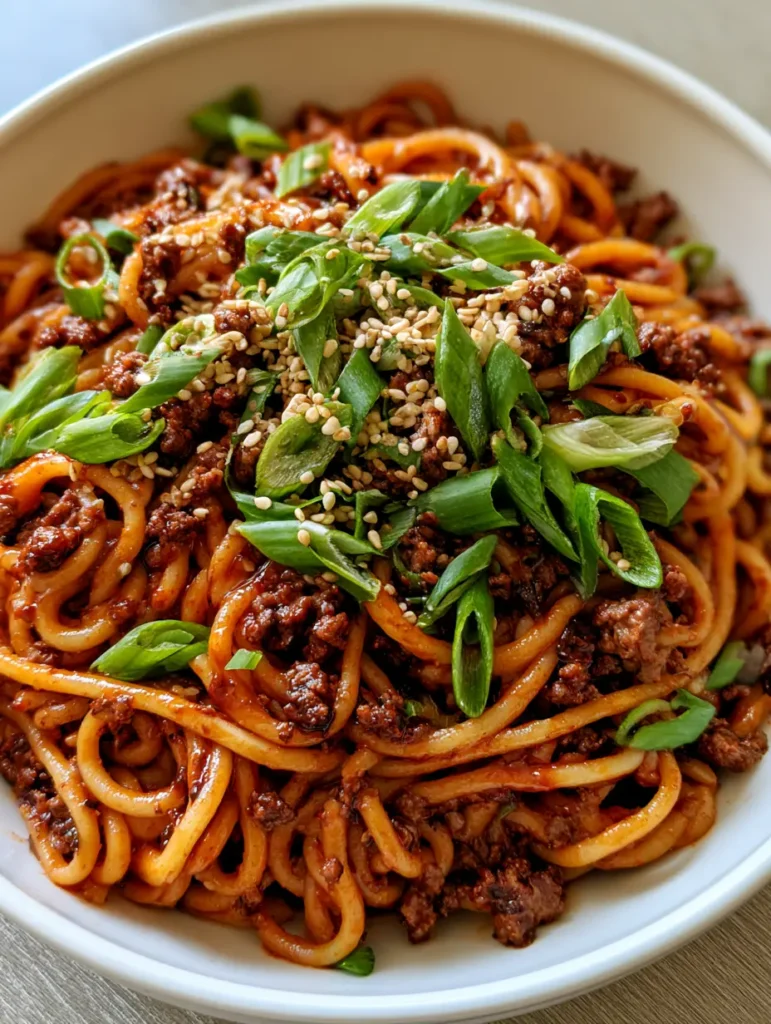
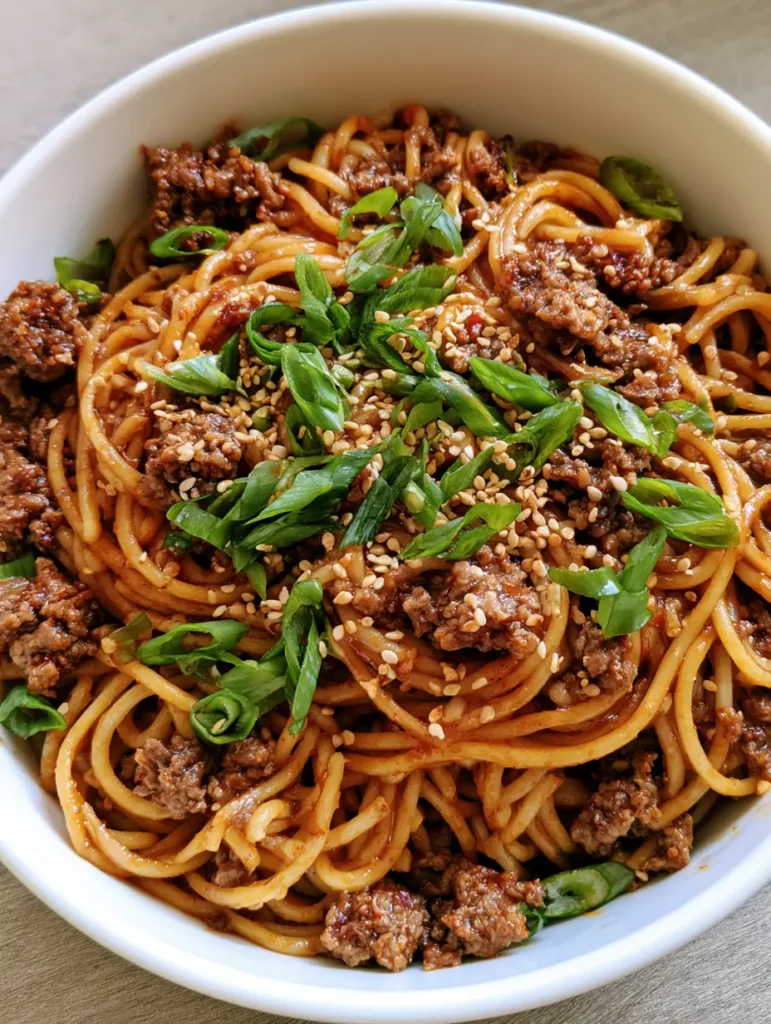
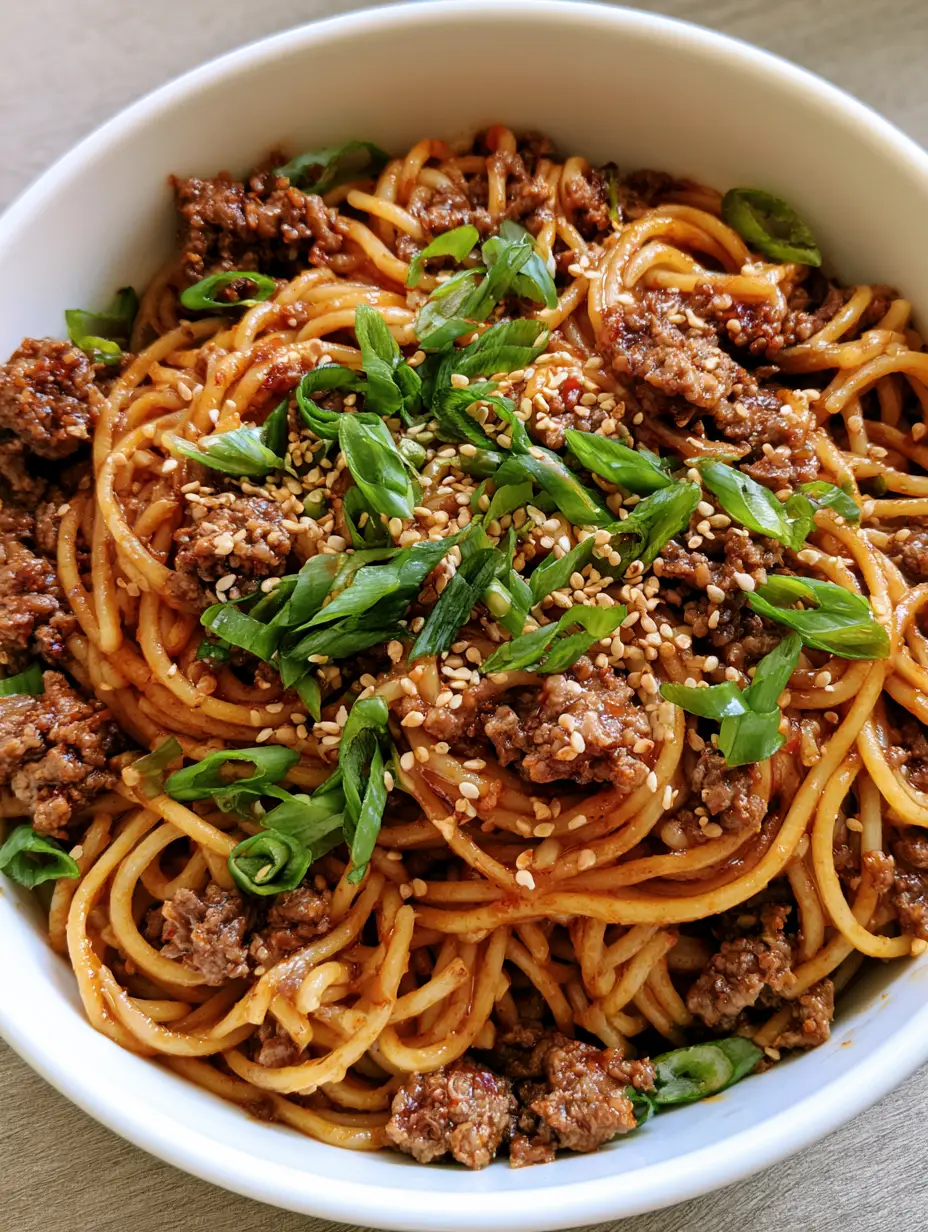
Imagine silky strands of perfectly al dente spaghetti glistening under a thick, dark reddish-brown sauce that balances salty soy with a creeping heat from chili garlic paste. Every forkful delivers deeply seared, caramelized beef crumbles that provide a satisfying, meaty contrast to the tender noodles. This is the kind of meal that looks like it took hours of simmering but actually comes together in less time than it takes to order delivery.
By marrying the accessible structure of a Bolognese with the high-impact aromatics of a stir-fry, we create a dish that is visually stunning and incredibly craveable. Whether you are looking for a new weeknight staple or a way to reinvent the pound of ground beef in your fridge, this recipe delivers restaurant-quality results with minimal effort.
The Irresistible Allure of Fusion Comfort Food
- Glossy, Savory Sauce: The sauce is a high-shine reduction of soy and chili garlic that clings to every inch of the spaghetti for a consistent flavor experience.
- Textural Contrast: You get the crunch of toasted sesame seeds, the bite of fresh green onions, and the crispy edges of hard-seared ground beef.
- Visual Vibrancy: The deep mahogany hues of the sauce are perfectly offset by the bright, diagonally sliced scallions and snowy white sesame seeds.
- Unmatched Speed: This entire meal is built on high-heat techniques, meaning dinner is on the table in roughly 20 minutes from start to finish.
The Secret Ingredients for the Ultimate Glossy Soy-Chili Garlic Sauce
The foundation of this Asian Ground Beef Spaghetti is the sauce. To achieve that signature glossy look seen in professional food photography, we rely on a balance of sugars and fats that emulsify with the starchy pasta water.
Lean Ground Beef (1 lb / 450g): I recommend using 90% lean ground beef. It provides enough fat to sear the meat beautifully without leaving the final dish feeling greasy or heavy.
Dry Spaghetti (1 lb / 450g): While you could use rice noodles, the wheat-based spaghetti offers a robust chew that stands up to the intense flavors of the chili garlic sauce.
Chili Garlic Sauce (2 tbsp / 30ml): This is the engine of the recipe. It provides both heat and a fermented garlic undertone that defines the “Asian” profile of the dish.
Low-Sodium Soy Sauce (1/3 cup / 80ml): We use low-sodium to control the salt levels while still getting that deep, dark reddish-brown color that makes the noodles look so appetizing.
Dark Brown Sugar (2 tbsp / 25g): This is the secret to the gloss. The sugar caramelizes in the pan, creating a syrupy texture that coats the noodles like a dream.
Fresh Ginger and Garlic: Never use the powdered stuff here. Freshly grated ginger and minced garlic provide the aromatic “high notes” that cut through the richness of the beef.
Toasted Sesame Oil (1 tbsp / 15ml): Added at the very end, this “finishing oil” provides an earthy fragrance that ties all the savory elements together.
Must-Have Kitchen Tools for the Perfect Sear
To recreate the visual of those well-browned beef crumbles, you need the right equipment. A large, heavy-bottomed skillet or a cast-iron pan is essential for heat retention.
A standard non-stick pan often prevents the meat from developing a “crust.” Instead, use stainless steel or cast iron to ensure the beef undergoes the Maillard reaction, resulting in those dark, flavorful bits that look so good in a white ceramic bowl.
Additionally, a microplane is your best friend for the ginger and garlic. It turns these aromatics into a fine paste that melts into the sauce rather than leaving you with chunky bits of raw ginger.
Mastering the 20-Minute Method: A Step-by-Step Guide
Boiling the Spaghetti to Perfection
Bring a large pot of heavily salted water to a boil. Add the 1 lb (450g) of spaghetti and cook for 1 minute less than the package directions for “al dente.” We want the noodles to finish cooking in the sauce to soak up all that flavor. Crucial Tip: Before draining, reserve 1 cup (240ml) of the starchy pasta water.
Achieving the Deep Beef Sear
Heat 1 tbsp (15ml) of vegetable oil in your skillet over medium-high heat. Add the ground beef and spread it out into one flat layer. Let it sit undisturbed for 3-4 minutes until a deep golden-brown crust forms on the bottom. Use a spatula to break it into small, uniform crumbles, then cook until no pink remains.
Building the Aromatics and Sauce
Push the beef to the side of the pan and add the minced garlic and grated ginger. Sauté for 30 seconds until fragrant. Pour in the soy sauce, chili garlic paste, and brown sugar. Stir everything together, allowing the sugar to melt and the sauce to begin bubbling and thickening into a dark mahogany glaze.
The Emulsification Process
Add the cooked spaghetti directly into the skillet. Pour in about 1/2 cup (120ml) of the reserved pasta water. Toss vigorously with tongs over medium heat. Watch as the starch in the water combines with the fats and sugars to create a glossy, thick sauce that clings to every strand of pasta.
Pro-Tips for That Restaurant-Style Glossy Finish
If your Asian Ground Beef Spaghetti looks a little dry, don’t reach for more soy sauce—reach for more pasta water. The starch is the “glue” that creates that velvety mouthfeel without adding extra calories.
For the garnishes, precision matters. Slice your green onions on a sharp diagonal (bias cut). This exposes more surface area, releasing more onion flavor while providing a professional, “chef-y” look to the bowl. Toast your sesame seeds in a dry pan for 2 minutes before sprinkling; the aroma of toasted seeds is significantly more potent than raw ones.
If you love this flavor profile but want to try it with different noodles next time, consider checking out my creamy Korean beef ramen for a silkier, brothier experience.
Preserving the Flavor: Storage and Reheating
This dish makes for phenomenal leftovers, often tasting even better the next day as the noodles continue to absorb the ginger and garlic notes. Store in an airtight container in the refrigerator for up to 4 days.
When reheating, avoid the microwave if possible, as it can make the noodles mushy. Instead, toss the spaghetti back into a skillet with a splash of water or beef broth. Heat over medium until the sauce loosens up and becomes glossy again. This preserves the texture of the beef crumbles and the “snap” of the noodles.
Perfect Pairings: What to Serve Alongside Your Pasta
While this is a complete meal on its own, adding a side can elevate the entire dining experience. A simple cucumber salad with rice vinegar and sesame oil provides a cool, crisp acidity that cuts through the savory richness of the beef.
If you are looking for a full fusion feast, consider serving this alongside some honey garlic shrimp for a “surf and turf” vibe. For those who prefer more heat, a side of spicy roasted broccoli or crispy seasoned potatoes can add a nice textural variety to the plate.
If you’re in the mood for more seafood-centric Asian flavors later in the week, these Bang Bang salmon rice bowls use a similar sweet-and-spicy flavor profile that you’re sure to love.
Common Questions About Asian Ground Beef Spaghetti
Absolutely! Sliced bell peppers, shredded carrots, or snap peas are great additions. Sauté them after browning the beef but before adding the sauce ingredients.
Yes, you can substitute ground turkey or chicken. However, because these meats have less fat, be sure to add an extra tablespoon of oil to achieve a proper sear and prevent the meat from drying out.
To make this gluten-free, substitute the spaghetti with gluten-free pasta or rice noodles, and replace the soy sauce with Tamari or coconut aminos.
Chili garlic sauce has a moderate heat. As written, this recipe is a 5/10 on the spice scale. You can reduce it to 1 tablespoon for a milder flavor or add Sriracha for more heat.
The key is to let the beef sit undisturbed in a very hot pan for at least 3-4 minutes before breaking it up. This allows the Maillard reaction to occur, creating those savory, crispy brown bits.
The Official Asian Ground Beef Spaghetti Recipe Card
Ready to create this masterpiece? Follow the exact measurements and steps below to achieve the perfect balance of savory, sweet, and spicy. This recipe is designed to yield the exact result shown in our photos: glossy noodles, perfectly seared beef, and vibrant garnishes.
Asian Ground Beef Spaghetti: A 20-Minute Umami Flavor Explosion
Ingredients
Equipment
Method
- Cook the spaghetti in a large pot of salted boiling water until al dente. Reserve 1 cup (240ml) of pasta water before draining.
- Heat oil in a large skillet over medium-high heat. Add ground beef and spread thin. Sear undisturbed for 3-4 minutes until well-browned and crispy. Break into small crumbles and cook through.
- Stir in the minced garlic and grated ginger, cooking for 30 seconds until fragrant.
- Add soy sauce, chili garlic sauce, and brown sugar. Stir to coat the beef and allow the sauce to bubble and thicken into a glossy glaze.
- Add the cooked spaghetti to the skillet with a splash of reserved pasta water. Toss vigorously until the noodles are thoroughly coated in the glossy reddish-brown sauce.
- Drizzle with toasted sesame oil. Serve in bowls topped with a generous scattering of diagonal green onions and toasted sesame seeds.
Notes
For extra heat, add 1 tsp of red pepper flakes or extra chili garlic paste.
Closing & Call to Action
The Asian Ground Beef Spaghetti is a testament to how simple ingredients, when treated with the right culinary techniques, can produce a world-class meal. It’s fast, affordable, and packs a flavor punch that will satisfy even the pickiest eaters. The combination of savory soy, spicy chili garlic, and the satisfying texture of seared beef makes this a recipe you’ll return to week after week.
Did you make this recipe? I’d love to hear how it turned out! Leave a comment below and let me know if you added any extra spice or veggies. Don’t forget to save this recipe to your “Easy Dinners” board on Pinterest so you always have it on hand for those busy weeknights!