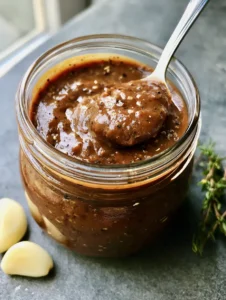
There is a profound difference between a thin, watery vinaigrette that pools at the bottom of your bowl and a luxurious Creamy Balsamic Dressing that clings to every leaf of spinach or slice of heirloom tomato. If you have ever wondered how high-end bistros achieve that perfectly opaque, dark brown sauce that looks almost like melted chocolate, you are in the right place.
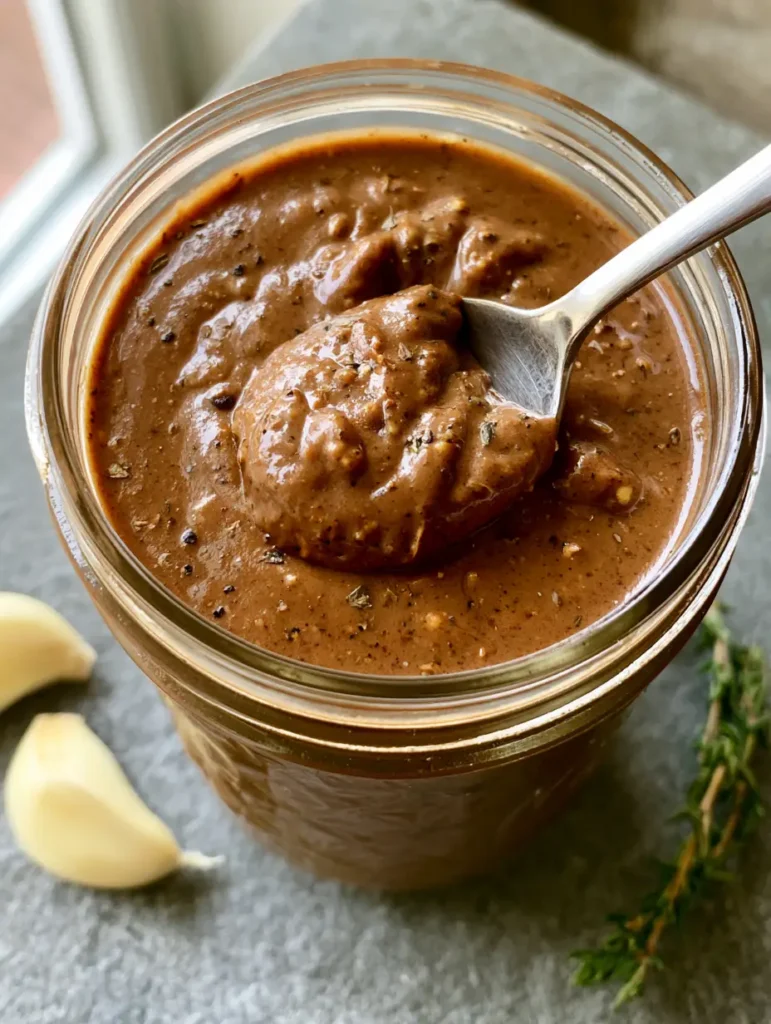
This recipe focuses on the art of emulsification to create a heavy, coating consistency that is visible the moment you lift a spoon from the jar. With micro-specks of cracked black pepper and dried oregano suspended in a velvety base, this dressing is as much a visual masterpiece as it is a culinary one.
Using a glass mason jar for both mixing and storage, we will craft a dressing that balances the sharp tang of balsamic vinegar with the richness of extra virgin olive oil. Whether you are prepping for a week of healthy lunches or hosting a sophisticated dinner, this dressing is the secret weapon your kitchen has been missing.
Why This Thick Balsamic Vinaigrette Stands Out
- Perfect Emulsification: Unlike broken dressings, this recipe creates a stable, opaque suspension that won’t separate immediately on your plate.
- Velvety Texture: The “creamy” descriptor comes from the physical state of the oil and vinegar bond, providing a heavy, coating consistency without needing heavy dairy.
- Forensic Flavor Profile: Each bite features the punch of minced garlic, the earthy notes of dried oregano, and the sharp bite of freshly cracked black pepper.
- Visual Appeal: The dark brown, glossy finish serves as a beautiful contrast to bright green salads or vibrant roasted vegetables.
The Anatomy of a Perfect Creamy Balsamic Dressing
To achieve the results seen in our professional food photography, we must select ingredients that serve both flavor and structural roles. A dressing is a chemical reaction as much as it is a recipe.
The Acid: Aged Balsamic Vinegar
You will need 1/2 cup (120ml) of high-quality balsamic vinegar. The sugars in the vinegar help with the thickness, so look for a version that is slightly syrupy rather than thin like water.
The Fat: Extra Virgin Olive Oil
We use 3/4 cup (180ml) of extra virgin olive oil. This provides the body of the dressing and, when beaten into the vinegar, creates the micro-bubbles necessary for that opaque, velvety appearance.
The Binder: Dijon Mustard
1 tablespoon (15g) of Dijon mustard is our “invisible” foundational ingredient. Mustard contains mucilage, which acts as a stabilizer to keep the oil and vinegar from separating into two layers.
The Sweetener: Raw Honey or Maple Syrup
1 tablespoon (21g) of honey balances the acidity. It also increases the viscosity of the liquid, contributing to that “heavy coating” look we are targeting.
The Aromatics: Garlic and Herbs
2 cloves (6g) of garlic, finely minced, provide a pungent depth. We also include 1 teaspoon (1g) of dried oregano and 1/2 teaspoon (1g) of freshly cracked black pepper to create those visible micro-specks throughout the sauce.
The Salt: Sea Salt
1/2 teaspoon (3g) of fine sea salt is essential. Salt doesn’t just season; it helps break down the garlic cell walls to release more flavor into the emulsion.
The Finishing Touch: Fresh Thyme
A small sprig of fresh thyme is used as a garnish. While the dried herbs are inside the dressing, the fresh thyme adds a bright, floral aroma just before serving.
Essential Equipment for a Smooth Emulsion
To get that smartphone-photo-ready texture, your choice of tools matters. You want to move the molecules fast enough to bond them permanently.
A 16-ounce (475ml) Glass Mason Jar is the best vessel for this recipe. It allows you to see the color change as the dressing emulsifies and provides an airtight seal for storage.
While a whisk works, an Immersion Blender is the professional’s secret for the thickest possible texture. If whisking by hand, a stainless steel balloon whisk is required to incorporate enough air and force into the mixture.
Step-by-Step Instructions for a Heavy Coating Consistency
Step 1: Preparing the Aromatic Base
Start by peeling your two garlic cloves. Using a sharp knife or a garlic press, mince the garlic until it is almost a paste. Place the minced garlic at the bottom of your clean glass mason jar.
Step 2: Combining the Primary Flavor Agents
Pour 1/2 cup (120ml) of balsamic vinegar into the jar. Add 1 tablespoon (15g) of Dijon mustard, 1 tablespoon (21g) of honey, 1 teaspoon (1g) of dried oregano, 1/2 teaspoon (3g) of sea salt, and 1/2 teaspoon (1g) of cracked black pepper. The pepper should be visible as dark flecks against the vinegar.
Step 3: The Emulsification Process
If using an immersion blender, place the head of the blender at the bottom of the jar. Slowly pour the 3/4 cup (180ml) of olive oil on top. Turn the blender on high and slowly pull it upward. You will see the dark brown vinegar and golden oil swirl together, turning into a singular, opaque, dark chocolate-colored liquid.
If whisking by hand, slowly drip the olive oil into the jar while whisking vigorously and constantly. Do not add the oil too fast, or the dressing will be thin and oily rather than thick and creamy.
Step 4: The Texture Check
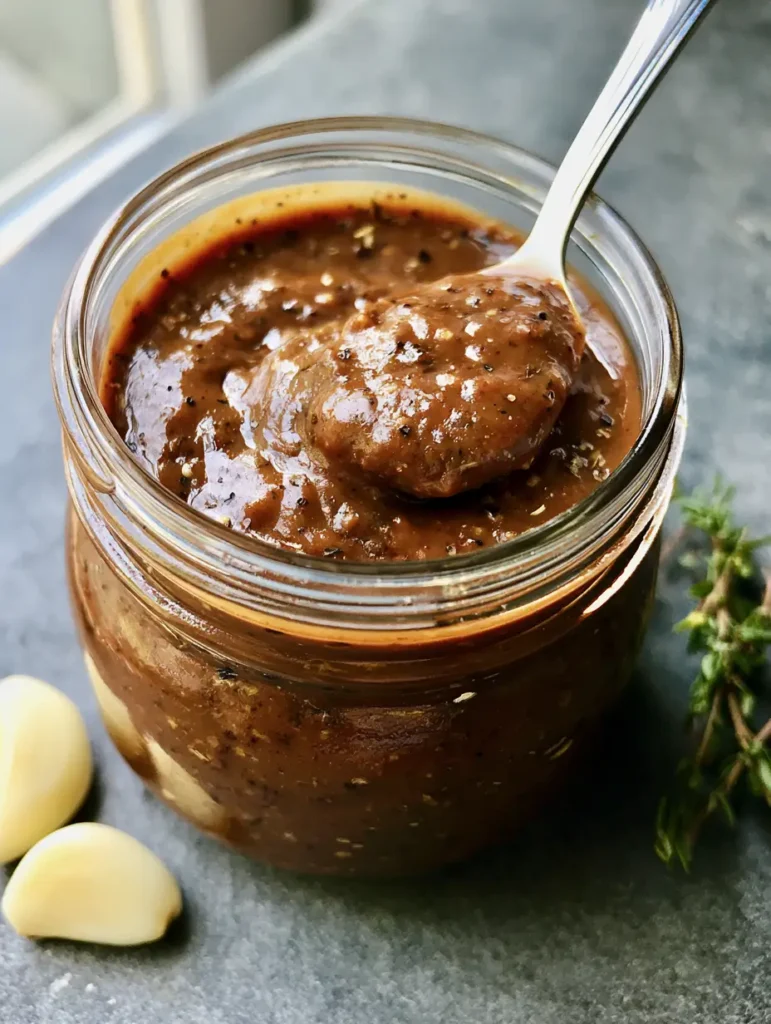
Lift a small stainless steel spoon into the jar and lift it slightly. The dressing should coat the back of the spoon heavily, slowly dripping off rather than running like water. You should see the velvety, opaque texture clearly in the natural light.
Step 5: Garnishing for Presentation
Just before serving, place a small sprig of fresh thyme on top or stir in the leaves. This adds a layer of freshness that cuts through the rich, heavy oils.
Expert Tips for Success
- Temperature Matters: Ensure your olive oil is at room temperature. Cold oil is more viscous but won’t emulsify as smoothly as oil at roughly 70°F (21°C).
- The Order of Operations: Always mix your vinegar, seasonings, and binders first. The oil must be the last thing added to ensure the binders (mustard and honey) are fully dissolved.
- Freshness of Garlic: Use fresh garlic cloves rather than the pre-minced jars. The sulfur compounds in fresh garlic are much stronger and provide a better flavor bridge between the acid and the fat.
- Cracked vs. Ground Pepper: Use a pepper mill to get “cracked” pepper. The larger irregular shards provide a better visual contrast and bursts of flavor compared to fine grey dust.
Storage and Shelf Life Guidelines
Because this Creamy Balsamic Dressing contains fresh garlic, it should be stored in the refrigerator. In an airtight mason jar, it will stay fresh for up to 7 to 10 days.
Note that high-quality extra virgin olive oil may solidify slightly in the cold. If your dressing looks chunky after being in the fridge, simply leave it on the counter for 15 minutes and give it a vigorous shake to restore that velvety consistency.
We do not recommend freezing this dressing. The emulsification is a physical bond that will break during the freezing and thawing process, resulting in a separated, oily mess.
What to Serve With This Dressing
This dressing is incredibly versatile and pairs well with a variety of textures. It is robust enough to stand up to warm grains, like in a creamy chicken and rice casserole or as a side for creamy Cajun chicken and rice.
If you prefer a lighter pairing, drizzle it over a creamy chicken pasta salad for an extra layer of acidity. It also works beautifully as a marinade for proteins, such as the pork used in Marry Me Pork Tenderloin, where the balsamic sugars caramelize perfectly under heat.
For a vegetarian option, try drizzling this over Mexican potatoes to add a Mediterranean twist to the spicy spuds.
Frequently Asked Questions
Absolutely. While fresh thyme is used for garnish, you can add 1/4 teaspoon of dried thyme into the mix along with the oregano for extra herbal depth.
To thicken the dressing, use an emulsifier like Dijon mustard or honey and use an immersion blender. The high-speed blades bond the oil and vinegar molecules into a thick, opaque emulsion.
Stored in an airtight glass mason jar in the refrigerator, this dressing will remain fresh and flavorful for 7 to 10 days.
Yes! The ‘creamy’ texture comes from the emulsification of oil and vinegar, not from cream or yogurt, making it naturally dairy-free and vegan-friendly if using maple syrup instead of honey.
Separation occurs when the oil is added too quickly or there isn’t enough binder (like mustard). To fix it, add a teaspoon of mustard to a clean jar and slowly whisk the separated dressing back into it.
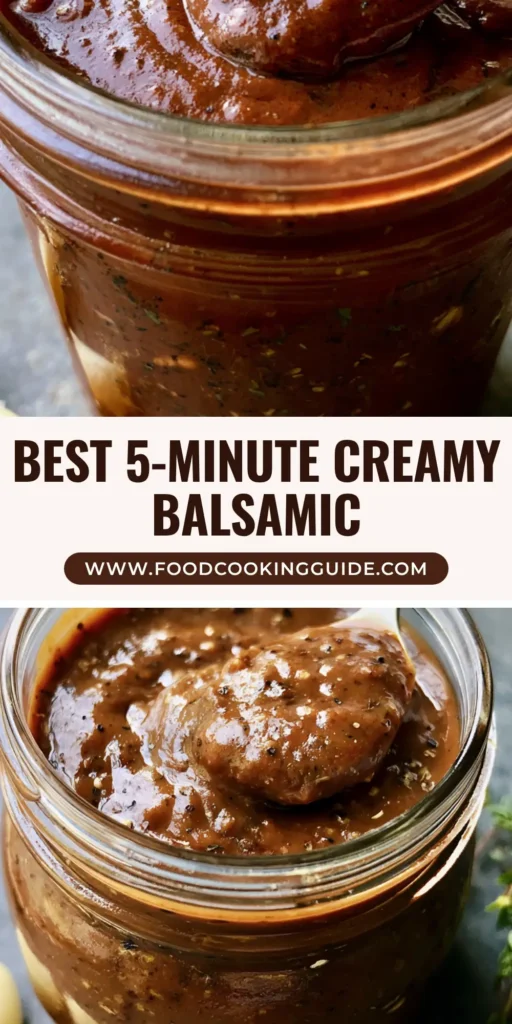
Creamy Balsamic Dressing: The Full Recipe
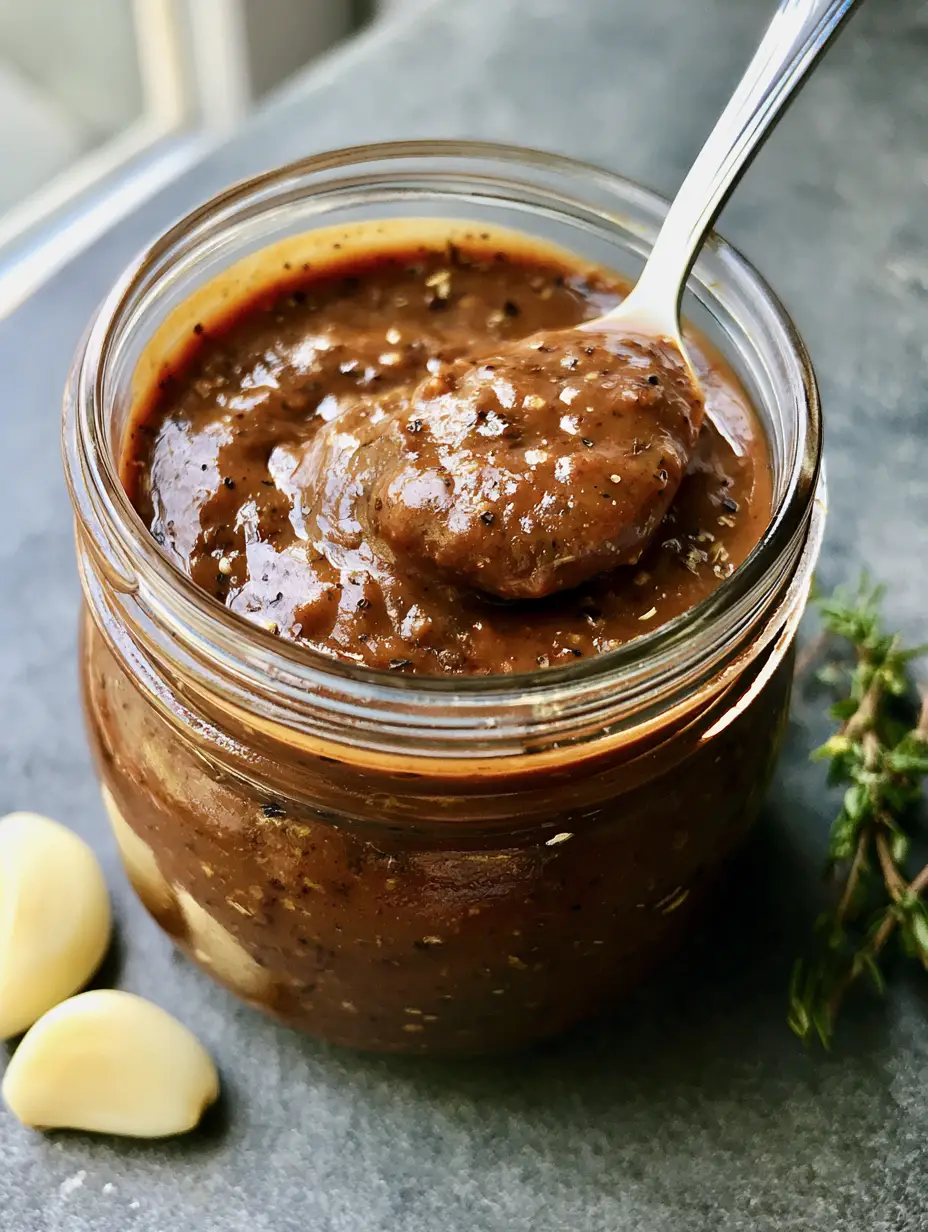
Creamy Balsamic Dressing Recipe: The Ultimate Thick and Velvety Vinaigrette
Ingredients
Equipment
Method
- In a glass mason jar, combine the balsamic vinegar, minced garlic, Dijon mustard, honey, dried oregano, sea salt, and cracked black pepper.
- Using an immersion blender or a whisk, slowly incorporate the extra virgin olive oil. If using a blender, pull it upward slowly until the liquid becomes opaque and thick. If whisking, add oil in a very slow stream while whisking constantly.
- Check the consistency by lifting a spoon; it should heavily coat the back. Garnish with a fresh sprig of thyme before serving.
Notes
If the dressing thickens too much in the fridge, let it sit at room temperature for 15 minutes before shaking.
Closing & Call to Action
Creating a restaurant-quality Creamy Balsamic Dressing at home is a simple way to elevate your daily meals. The thick, velvety texture and rich, dark brown hue make every salad feel like a gourmet experience. By focusing on the science of emulsification and the quality of your balsamic vinegar, you can achieve a dressing that never separates and always satisfies.
If you enjoyed this recipe, please leave a comment below and let us know how it turned out! Don’t forget to follow us on Pinterest for more culinary inspiration and share your photos with the community.