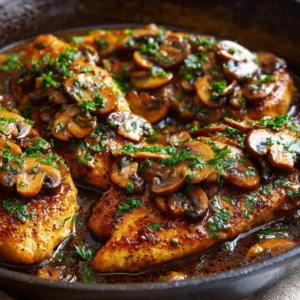
Discover how to make perfect, crisp-tender, and incredibly flavorful Healthy Sautéed Vegetables in just 15 minutes. Say goodbye to soggy, bland veggies for good! This simple recipe is your new go-to for a quick, nutritious side dish that pairs with almost any meal. It’s a game-changer for busy weeknights and a fantastic way to add a rainbow of nutrients to your plate.
We’ve all been there: you try to make a quick vegetable side, and you end up with a mushy, waterlogged disappointment. This guide solves that problem by teaching you the simple techniques professional chefs use for perfectly cooked vegetables every time. The secret lies in the right heat, the right pan, and the right timing.
Why This Healthy Sautéed Vegetables Recipe Works
This isn’t just a recipe; it’s a method for success. Here’s why you’ll love it:
- Incredibly Fast: From prep to plate in about 15 minutes, it’s the ideal side for a busy schedule.
- Completely Customizable: Use any combination of your favorite vegetables. It’s a perfect way to use up whatever you have in the fridge.
- Packed with Nutrients: Sautéing is a quick-cooking method that helps vegetables retain more of their vital nutrients and vibrant color.
- Full of Flavor: We’ll show you how to season your veggies perfectly, creating a delicious depth of flavor that complements any main course.
The Core Ingredients
The beauty of this recipe is its simplicity. You only need a few pantry staples to get started:
- Fresh Vegetables: A colorful mix is best! Think broccoli, bell peppers, carrots, and zucchini.
- High-Quality Oil: Avocado oil or extra virgin olive oil are excellent choices for their flavor and smoke point.
- Aromatics: Freshly minced garlic is a must for building a savory flavor base.
- Seasoning: Kosher salt and freshly cracked black pepper are essential. We’ll explore more seasoning options below!
Choosing Your Vegetables: A Guide to the Best Combinations
The key to evenly cooked sautéed vegetables is to group them by cooking time. Hard, dense vegetables need a little more time in the pan than softer, high-water-content ones.
Hard Vegetables (Start these first):
- Carrots
- Broccoli Stems
- Dense Squash (like Butternut)
- Onions
Softer Vegetables (Add these later):
- Bell Peppers
- Zucchini and Summer Squash
- Mushrooms
- Broccoli Florets
- Asparagus
- Snap Peas
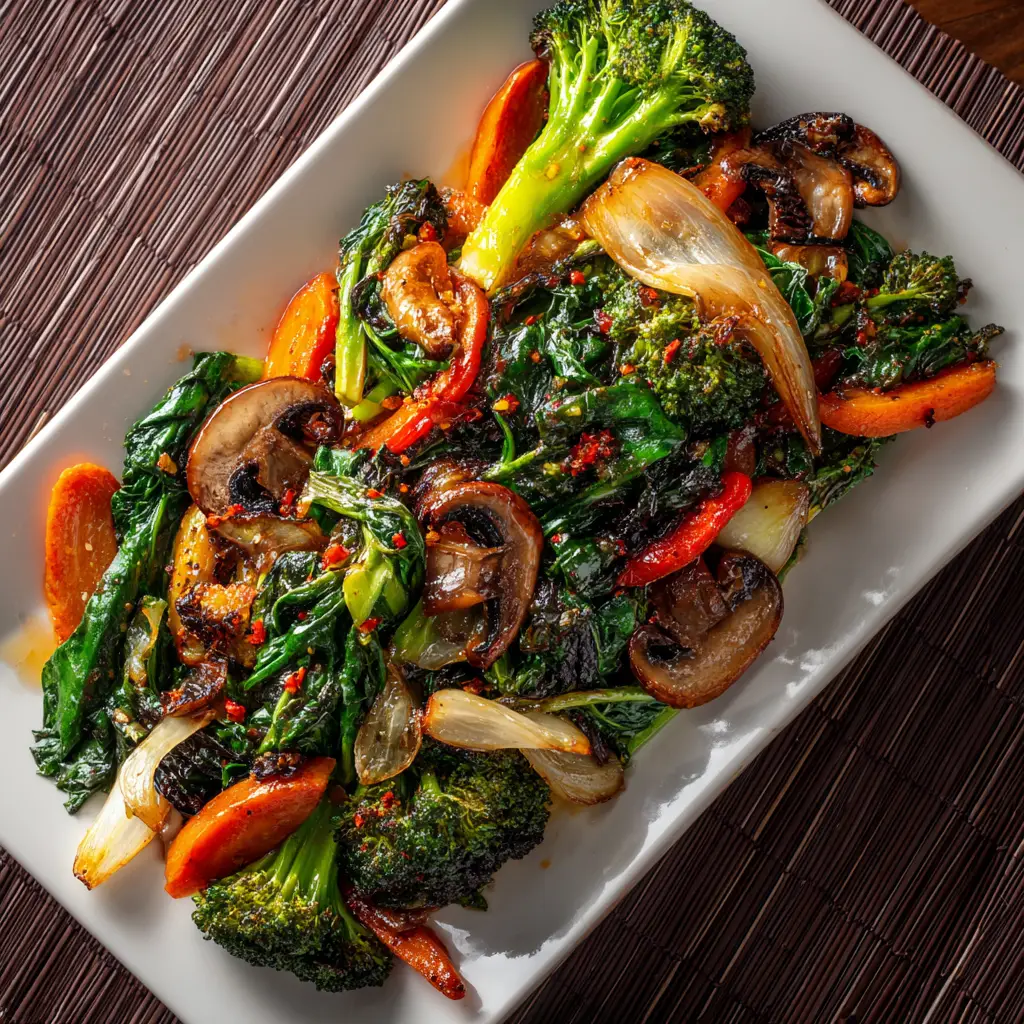
A great starting combination is broccoli, bell peppers, zucchini, and red onion. It provides a wonderful mix of colors, textures, and flavors that make this Healthy Sautéed Vegetables dish a visual and culinary delight.
How to Make Healthy Sautéed Vegetables (Step-by-Step)
Follow these simple steps for perfect results. The entire process is quick, so have all your ingredients prepped and ready to go before you start.
Step 1: Prep Your Veggies
Wash and thoroughly dry your vegetables. Patting them dry with a towel is crucial to prevent steaming in the pan. Cut them into uniform, bite-sized pieces. Uniformity ensures everything cooks at the same rate.
Step 2: Heat the Pan
Place a large skillet or wok over medium-high heat. A large surface area is essential. Add your oil and let it get hot until it shimmers. This ensures a great sear and prevents the vegetables from sticking.
Step 3: Sauté in Batches
Add the harder vegetables to the pan first and sauté for 3-4 minutes until they begin to soften. Then, add the softer vegetables and minced garlic. Continue to cook, stirring frequently, for another 5-7 minutes. The vegetables should be bright in color and crisp-tender.
Step 4: Season to Perfection
Season the vegetables with salt and pepper during the last minute of cooking. You can also add any other herbs or spices at this stage. Tossing them at the end prevents the seasonings from burning.
Pro Tips for Perfectly Crisp & Flavorful Veggies
Mastering Healthy Sautéed Vegetables is all about technique. Keep these tips in mind:
- Don’t Overcrowd the Pan: This is the number one rule! Crowding the pan lowers the temperature and causes the vegetables to steam instead of sear, resulting in a soggy texture. Cook in batches if necessary.
- Use the Right Oil: Choose an oil with a medium-high smoke point like avocado, grapeseed, or light olive oil.
- High Heat is Your Friend: Medium-high heat is perfect for getting a quick, beautiful sear on the vegetables without overcooking them.
- Cut Vegetables Uniformly: As mentioned, this is key for even cooking. Aim for pieces of a similar size and thickness.
- Season at the End: Adding salt too early can draw out water from the vegetables, which hinders browning. Season just before you finish cooking.
Flavor Variations & Seasoning Ideas
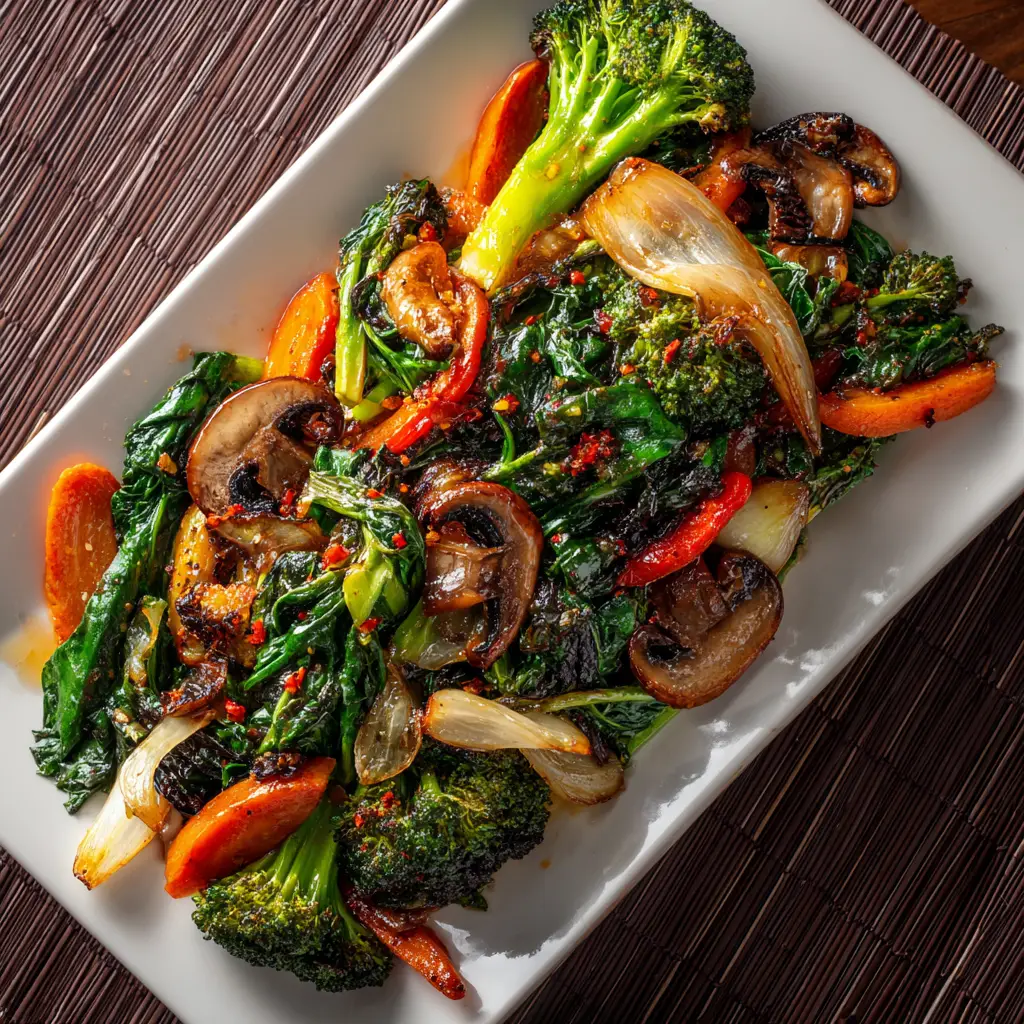
While salt, pepper, and garlic are classic, don’t be afraid to experiment! Try these delicious combinations:
- Italian Herb: Add 1 teaspoon of dried Italian seasoning and a sprinkle of red pepper flakes with the garlic. Finish with fresh basil.
- Asian-Inspired: Add 1 teaspoon of grated fresh ginger with the garlic. Finish with a splash of low-sodium soy sauce and a drizzle of sesame oil.
- Spicy Cajun: Toss with a teaspoon of Cajun seasoning during the last minute of cooking. A squeeze of fresh lemon juice at the end brightens it up.
- Lemon & Herb: After cooking, toss with fresh parsley, dill, and the zest and juice of one lemon.
What to Serve with Sautéed Vegetables
These versatile vegetables are the perfect partner for a huge range of main courses. They add a fresh, healthy component to any meal. We love serving them with protein-packed dishes like our delicious oven-roasted garlic chicken or this flavorful baked Cajun salmon. They are also the perfect side for a show-stopping dish like Marry Me Salmon.
Storing and Reheating Leftovers
Store leftover sautéed vegetables in an airtight container in the refrigerator for up to 4 days. For best results, reheat them quickly in a hot skillet for 1-2 minutes to revive their texture. Microwaving can make them soft, so the stovetop is preferred.
Frequently Asked Questions
Yes, you can sauté frozen vegetables, but it’s best to thaw and pat them dry first to remove excess moisture. If you sauté from frozen, use high heat and give them extra space in the pan to allow the water to evaporate quickly.
Sautéed vegetables are done when they are ‘crisp-tender.’ This means they are cooked through but still have a slight bite. They should be vibrant in color and may have some light browning in spots.
The key to preventing soggy vegetables is to use a large pan, don’t overcrowd it, and use medium-high heat. Make sure your vegetables are completely dry before adding them to the hot oil. This allows them to sear and brown rather than steam.
No, you should not cover the pan when sautéing. Covering the pan traps steam, which will make the vegetables soft and soggy. Sautéing is a dry-heat cooking method that requires moisture to escape.
The best oil for sautéing vegetables has a medium to high smoke point. Avocado oil, grapeseed oil, and light olive oil are excellent choices because they can handle the heat without burning and have a neutral flavor.
The Perfect Healthy Side Dish
This Healthy Sautéed Vegetables recipe is more than just a side dish; it’s a foundation for countless healthy meals. It’s proof that simple, fresh ingredients can create something truly delicious and satisfying. We hope this becomes a staple in your kitchen!
If you tried this recipe, we’d love to hear from you! Please leave a comment below and share your creation on Pinterest!
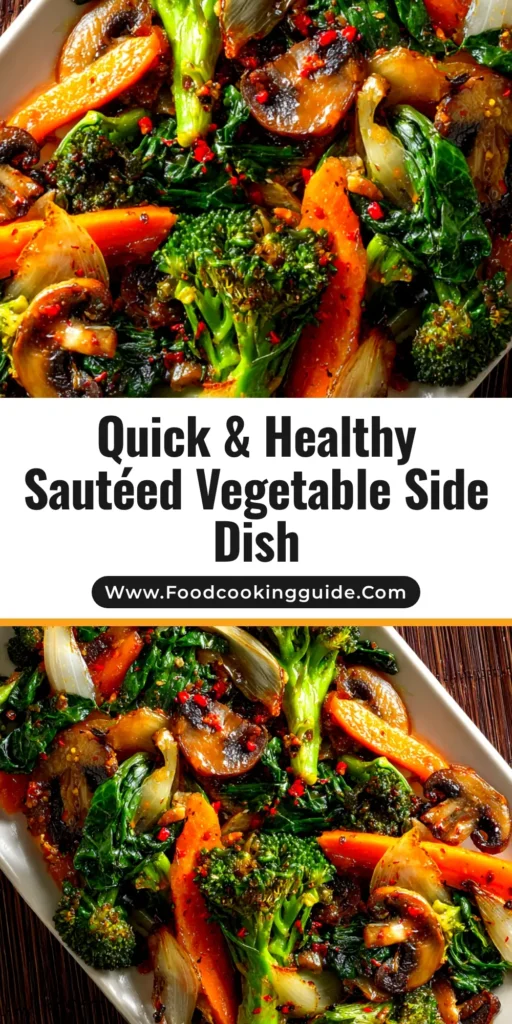
Healthy Sautéed Vegetables Recipe
Healthy Sautéed Vegetables: The Perfect 15-Minute Side Dish
Ingredients
Equipment
Method
- Wash, thoroughly dry, and chop all vegetables into uniform bite-sized pieces.
- Place a large skillet over medium-high heat. Add the oil and heat until it shimmers slightly.
- Add any hard vegetables (like carrots or broccoli stems) to the hot pan. Sauté for 3-4 minutes, stirring occasionally.
- Add the softer vegetables (like zucchini, bell peppers, broccoli florets) and the minced garlic to the skillet. Continue to sauté for 5-7 minutes, stirring frequently, until all vegetables are crisp-tender and lightly browned.
- In the last minute of cooking, sprinkle with salt and pepper. Toss to combine, then remove from heat and serve immediately.
Notes
Customize It: Feel free to add a squeeze of lemon juice or a sprinkle of fresh herbs like parsley or basil at the end for extra freshness.