Welcome to the last Pork Tenderloin Recipe you will ever need. If you’ve been searching for a method that guarantees juicy, tender, and incredibly flavorful pork every single time, you’ve found it. This recipe is designed for the enthusiastic home cook who wants to create a meal that’s both simple enough for a busy weeknight and elegant enough to impress guests. We’re ditching dry, bland pork for good.
The secret lies in a two-step cooking process: a perfect pan-sear to develop a beautiful golden-brown crust, followed by a roast in the oven to finish cooking it through gently. This method locks in all the natural juices, resulting in a perfectly cooked tenderloin from edge to edge. Let’s get cooking!
Why This is the Best Pork Tenderloin Recipe
There are countless ways to cook pork tenderloin, but this recipe stands out for its simplicity and foolproof results. The garlic and herb crust creates a savory, aromatic exterior that perfectly complements the mild, tender meat.
- Incredibly Juicy: The sear-then-roast technique is the key to locking in moisture. No more dry pork!
- Packed with Flavor: A simple rub of garlic powder, onion powder, dried herbs, and paprika infuses the pork with delicious, savory flavor.
- Quick and Easy: With only 10 minutes of prep time and about 25 minutes of cooking, this dish is perfect for a quick and satisfying dinner. It’s a true 35-minute meal.
- Versatile: This pork tenderloin pairs beautifully with a wide variety of sides, from creamy mashed potatoes (coming soon) to roasted vegetables.
Ingredients You’ll Need
The beauty of this recipe is its reliance on simple, pantry-staple ingredients to create a truly remarkable flavor. You don’t need a long, complicated list to make an amazing meal.
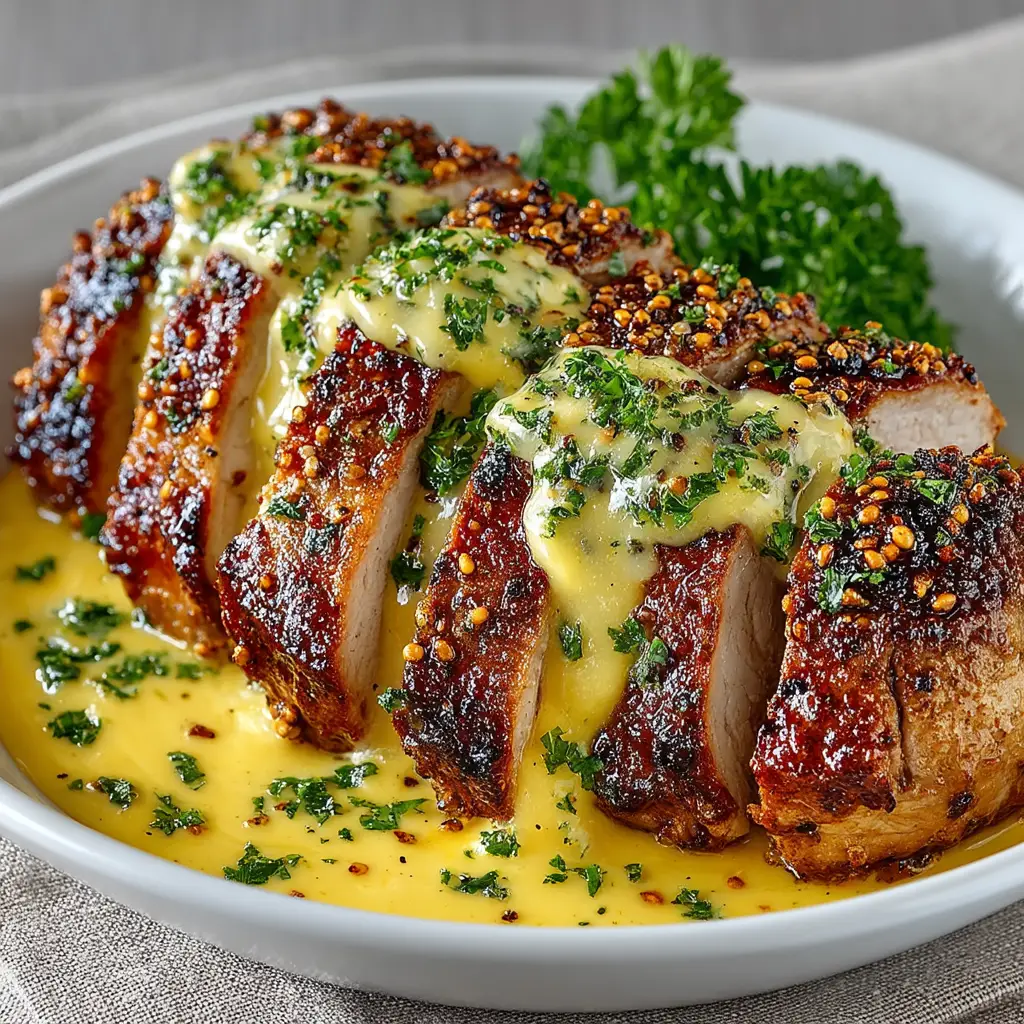
For the Pork Tenderloin:
- Pork Tenderloin: You will need one (1.5 lbs) pork tenderloin. Look for one with a pinkish-red color and a bit of marbling.
- Olive Oil: Used for searing the pork and helping the seasoning stick.
For the Garlic Herb Rub:
- Garlic Powder: Provides a deep, savory garlic flavor without the risk of burning fresh garlic.
- Onion Powder: Adds another layer of aromatic flavor.
- Dried Thyme & Rosemary: These classic herbs are the perfect pairing for pork.
- Smoked Paprika: Adds a beautiful color and a subtle smoky flavor.
- Salt & Black Pepper: Essential for seasoning the meat properly.
How to Make the Perfect Pork Tenderloin Recipe (Step-by-Step)
Achieving a perfectly cooked pork tenderloin is easier than you think. Follow these simple steps for a restaurant-quality result right in your own kitchen.
Step 1: Prepare the Pork
First, preheat your oven to 400°F (200°C). While the oven heats up, prepare the pork. Pat the tenderloin dry with paper towels. This is a crucial step to ensure you get a great sear. If the meat is wet, it will steam instead of sear. Trim off any excess fat or silver skin—the thin, silvery membrane—using a sharp knife for the most tender result.
Step 2: Make the Garlic Herb Rub
In a small bowl, combine the garlic powder, onion powder, dried thyme, dried rosemary, smoked paprika, salt, and black pepper. Stir until everything is evenly mixed. Rub the tenderloin all over with olive oil, then generously coat the entire surface with the seasoning blend. Don’t be shy here; more seasoning means more flavor!
Step 3: Sear for a Golden Crust
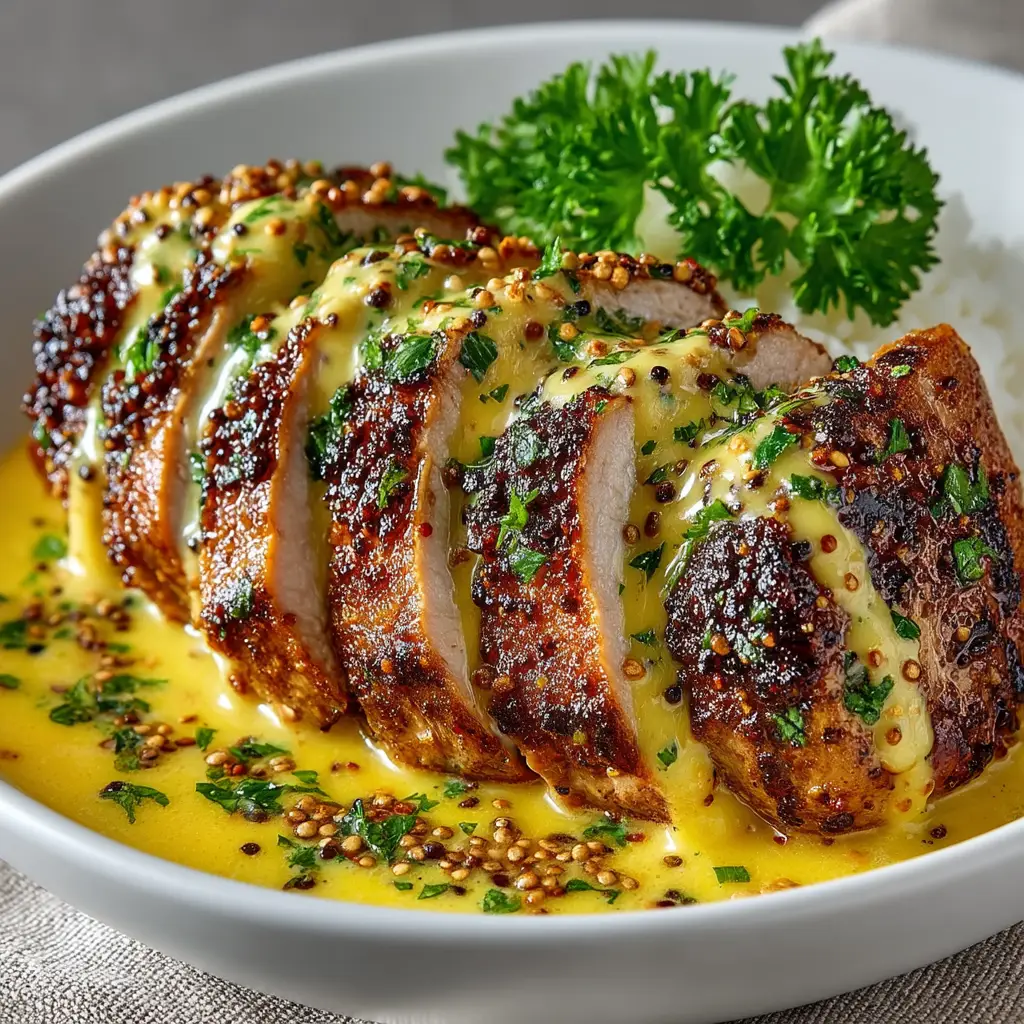
Heat a large, oven-safe skillet (cast iron is perfect for this) over medium-high heat. Add a tablespoon of olive oil. Once the oil is shimmering, carefully place the seasoned pork tenderloin in the skillet. Sear for 2-3 minutes per side, until a beautiful golden-brown crust has formed on all sides. This step is all about building flavor and texture.
Step 4: Roast to Perfection
Transfer the entire skillet to the preheated oven. Roast for 15-20 minutes, or until the internal temperature reaches 145°F (63°C) at its thickest part. Using a meat thermometer is the most reliable way to check for doneness and avoid overcooking. This is the single best tool for ensuring your Pork Tenderloin Recipe turns out perfectly juicy.
Step 5: Rest for Maximum Juiciness
Once the pork reaches 145°F, remove the skillet from the oven. Transfer the tenderloin to a cutting board and let it rest for 10 minutes. This allows the juices to redistribute throughout the meat, ensuring every slice is moist and tender. Do not skip this step! Slice the pork into 1/2-inch thick medallions against the grain and serve immediately.
Tips for the Juiciest Pork Tenderloin
- Don’t Overcook: A meat thermometer is your best friend. Pork is perfectly safe and at its most delicious when cooked to 145°F. A little pink in the center is okay!
- Pat It Dry: For a perfect sear, the surface of the meat must be dry. Use paper towels to pat it down thoroughly before seasoning.
- Rest the Meat: Always let your pork tenderloin rest for at least 10 minutes before slicing. This prevents the flavorful juices from spilling out onto your cutting board.
- Slice Against the Grain: For the most tender bite, identify which way the muscle fibers are running and slice perpendicular to them.
What to Serve with Pork Tenderloin
This versatile main course pairs well with almost anything! For a classic comfort meal, serve it alongside creamy scalloped potatoes (coming soon) or a simple Asian cabbage salad (coming soon). For a healthier option, try it with some delicious hot honey roasted carrots (coming soon) or a fresh green salad.
Storage and Reheating
Store leftover pork tenderloin in an airtight container in the refrigerator for up to 3-4 days. To reheat, you can gently warm slices in a skillet over medium-low heat with a splash of broth or water to keep them from drying out. You can also enjoy the leftovers cold in sandwiches or salads.
Frequently Asked Questions
Yes, you can freeze cooked pork tenderloin. Allow it to cool completely, then wrap it tightly in plastic wrap and then foil, or place it in an airtight freezer bag. It can be stored in the freezer for up to 3 months. Thaw it overnight in the refrigerator before reheating gently.
The best way to prevent dry pork tenderloin is to not overcook it. Use a meat thermometer to ensure you pull it from the oven at 145°F. Searing it first and then letting it rest after cooking are also crucial steps to lock in the juices.
After searing, a typical 1.5 lb pork tenderloin will need to bake for about 15-20 minutes at 400°F (200°C). However, cooking time can vary based on size and thickness, so always rely on a meat thermometer for accuracy rather than just time.
Yes, it is perfectly safe for pork tenderloin to be slightly pink in the center, as long as it has reached an internal temperature of 145°F. Modern pork is very lean and safe. Cooking it to this temperature ensures it will be juicy and tender, not dry.
The USDA recommends cooking pork tenderloin to an internal temperature of 145°F (63°C). Use a meat thermometer inserted into the thickest part of the meat for an accurate reading. After cooking, let it rest for at least 3-10 minutes before slicing.
More Delicious Recipes To Try
We hope you loved this simple and delicious Pork Tenderloin Recipe! If you tried it, please leave a comment below and let us know how it turned out. We’d love for you to share your creations on Pinterest!

Pork Tenderloin Recipe
Pork Tenderloin Recipe (The Best Juicy & Tender Result!)
Ingredients
Equipment
Method
- Preheat oven to 400°F (200°C). Pat the pork tenderloin dry with paper towels and trim any silver skin.
- In a small bowl, mix together the garlic powder, onion powder, dried thyme, dried rosemary, smoked paprika, salt, and pepper.
- Rub the tenderloin with 1 tablespoon of olive oil. Coat the entire tenderloin evenly with the seasoning mixture.
- Heat the remaining 1 tablespoon of olive oil in a large oven-safe skillet over medium-high heat. Sear the pork for 2-3 minutes on each side until a golden-brown crust forms.
- Transfer the skillet to the preheated oven and roast for 15-20 minutes, or until a meat thermometer inserted into the thickest part reads 145°F (63°C).
- Remove the pork from the skillet and place it on a cutting board. Let it rest for 10 minutes before slicing against the grain into 1/2-inch medallions.
Notes
Letting the pork rest is a crucial step for a tender result; do not skip it.