There is a specific kind of magic that happens when thick, chewy noodles meet a perfectly balanced Udon Noodle Sauce. If you have ever stared at a bowl of restaurant-quality noodles—glistening under the lights with a dark, viscous coating—you know that the sauce is the soul of the dish. This recipe is designed to recreate that exact sensory experience in your own kitchen.
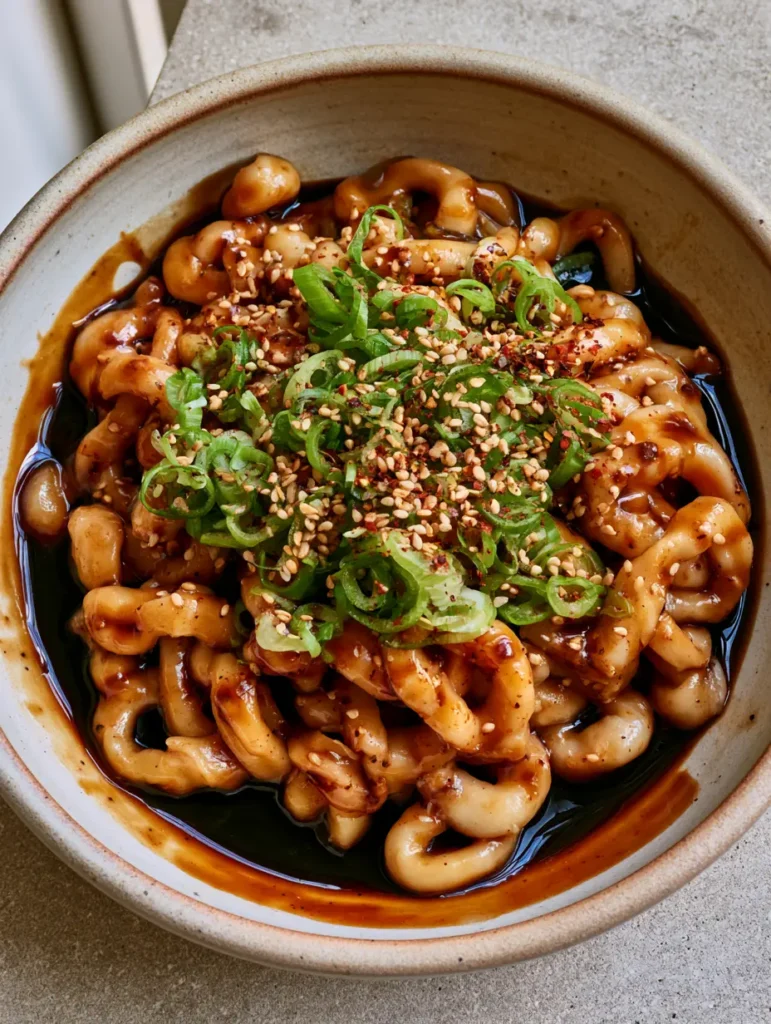
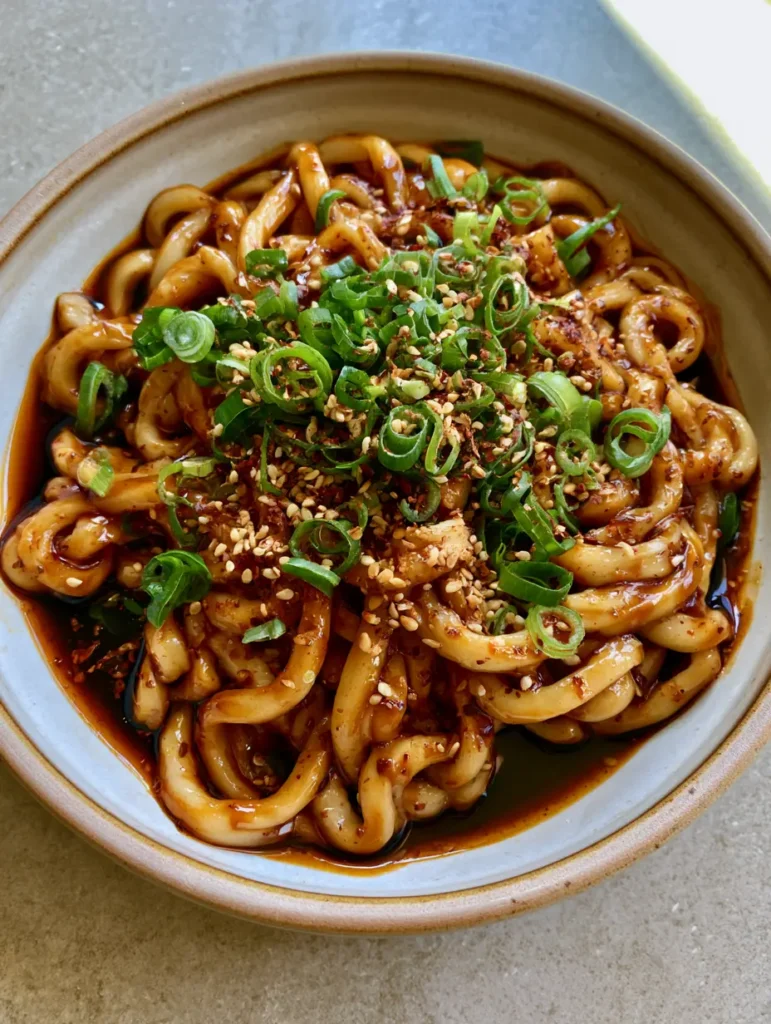
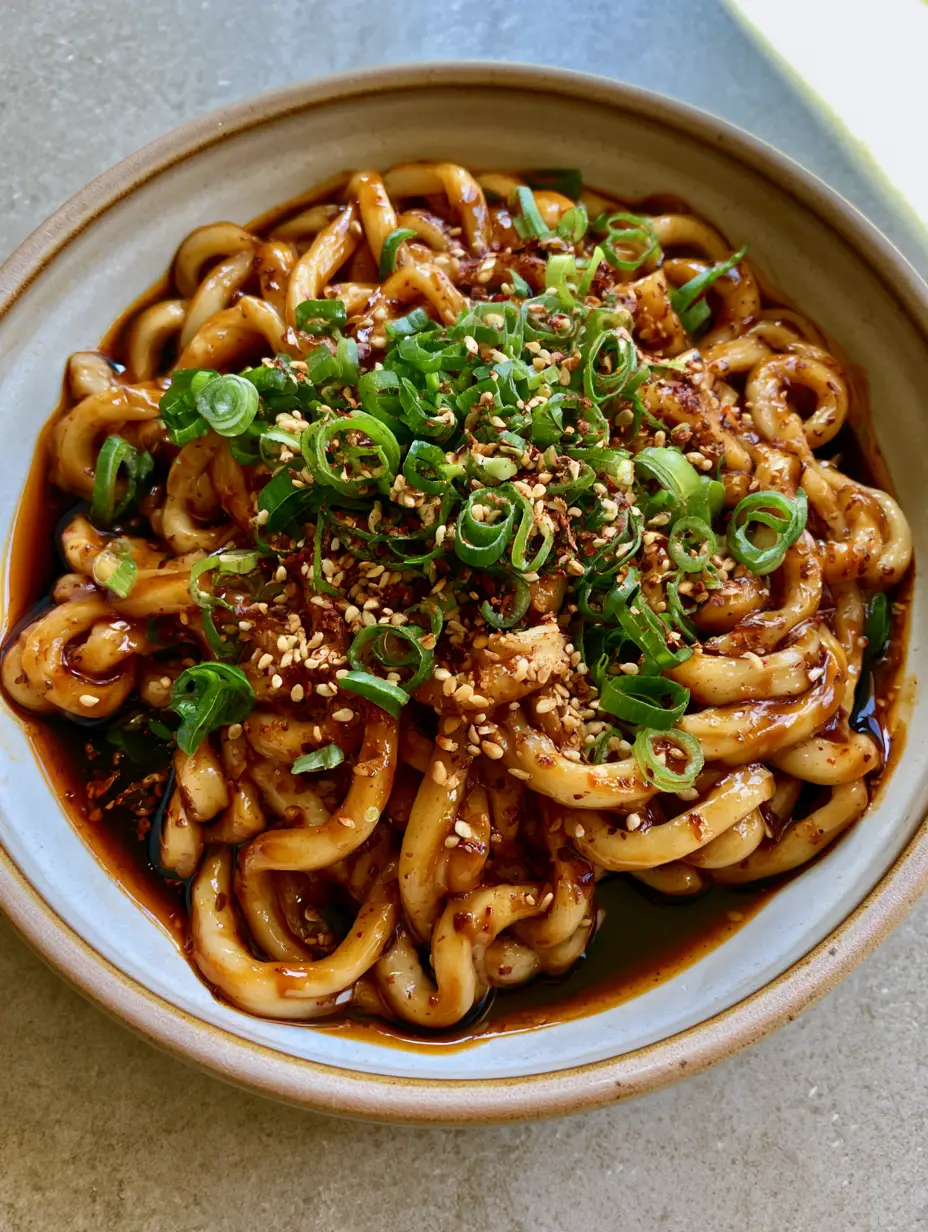
Our Udon Noodle Sauce isn’t just a simple liquid; it is a high-gloss, umami-heavy glaze that clings to every curve of the noodle. We are aiming for a deep mahogany color that pools slightly at the bottom of the bowl, just like the elite versions found in high-end noodle bars. Whether you are a busy professional or a weekend kitchen warrior, this sauce is your shortcut to a soul-satisfying meal.
By focusing on the science of viscosity and the balance of salty, sweet, and spicy, we have developed a version that looks as good as it tastes. The visual of the bright green scallions against the dark, rich sauce is enough to make anyone’s mouth water before the first bite even happens.
Why This Is the Best Udon Noodle Sauce You Will Ever Make
- Viscous “Cling” Factor: Unlike thin sauces that watery-down your meal, this glaze uses a specific starch-to-sugar ratio to ensure it coats every millimeter of the udon.
- Visual Mahogany Depth: Through the strategic use of dark soy sauce, we achieve a rich, professional color that looks incredible on the plate.
- Balanced Flavor Profile: We balance the intense salt of soy with the mellow sweetness of mirin and the sharp, fresh bite of scallions.
- 10-Minute Execution: This sauce comes together in the time it takes to boil your noodles, making it the king of weeknight dinners.
- Texture Contrast: The combination of slippery noodles, crunchy toasted sesame seeds, and the slight heat of dried red chili flakes creates a multi-dimensional eating experience.
The Pantry Staples for a Perfect Mahogany Glaze
To achieve the dark, glossy finish required for a professional Udon Noodle Sauce, you need specific ingredients that contribute to both color and “mouthfeel.” Each component here serves a structural or flavor-based purpose in the final dish.
Dark Soy Sauce: 2 tbsp (30ml). This is the secret to that deep, mahogany color. It is thicker and less salty than light soy sauce, providing the “stain” that makes the noodles look so appetizing.
Light Soy Sauce: 3 tbsp (45ml). This provides the primary salt component and the foundational umami flavor that drives the dish.
Mirin: 2 tbsp (30ml). This Japanese rice wine adds a mild sweetness and a beautiful sheen to the sauce, helping it glisten under natural light.
Brown Sugar: 1 tbsp (12g). Beyond sweetness, sugar aids in caramelization and increases the viscosity of the liquid as it reduces in the pan.
Toasted Sesame Oil: 1 tsp (5ml). Added at the very end, this provides the essential nutty aroma that defines high-quality Asian noodle dishes.
Cornstarch (Corn Flour): 1 tsp (3g) mixed with 1 tbsp (15ml) water. This slurry is the “invisible” ingredient that ensures the sauce pools perfectly at the bottom of the bowl without being runny.
Fresh Garlic and Ginger: 1 tbsp (15g) each, minced. These aromatics provide the aromatic backbone that prevents the sauce from tasting “flat” or one-dimensional.
The Visual Toppers: We use 1/4 cup (25g) sliced green scallions, 1 tsp (3g) toasted white sesame seeds, and 1/2 tsp (1g) dried red chili flakes to provide the visual and textural contrast seen in our blueprint.
Essential Equipment for High-Heat Noodle Tossing
While you don’t need a professional kitchen, having the right tools helps achieve that specific “tangled and glistening” look for your Udon Noodle Sauce. A wide, heavy-bottomed skillet or a carbon steel wok is ideal for this recipe.
The wide surface area allows the sauce to reduce quickly, concentrating the flavors and the color. You will also want a pair of long kitchen tongs or a pasta fork. These are essential for “tangling” the noodles into the sauce, ensuring every strand is coated in the viscous glaze.
A small balloon whisk is also helpful for preparing your cornstarch slurry. This ensures there are no lumps in your Udon Noodle Sauce, which would ruin the smooth, glossy texture we are aiming for in the final presentation.
Mastering the Art of the Perfect Noodle Toss
1. Preparing the Aromatic Base
Heat a small amount of neutral oil in your pan over medium heat. Add your minced garlic and ginger, stirring constantly for about 30-60 seconds. You are looking for the “scent bloom”—that moment where the kitchen suddenly smells incredible, but before the garlic begins to brown.
2. Simmering the Udon Noodle Sauce
Pour in your light soy sauce, dark soy sauce, mirin, and brown sugar. Increase the heat slightly to bring the mixture to a gentle simmer. As the bubbles form, the sugar will dissolve, and the liquid will begin to transform into a darker, more unified glaze.
3. Achieving the Viscous “Pool” Texture
Whisk your cornstarch and water together to form a slurry, then slowly pour it into the simmering sauce. Stir immediately. You will see the sauce shift from a thin liquid to a viscous, mahogany-colored glaze that leaves a trail when you move your spoon through it.
4. The Noodle Integration
Add your boiled udon noodles directly into the pan. Use your tongs to toss them vigorously. You want to see the noodles “drinking” the sauce, turning from white to a deep, glossy brown. If the sauce becomes too thick, add a splash of the noodle cooking water (1-2 tbsp) to loosen it back to a glistening state.
5. Finishing with Visual Contrast
Remove the pan from the heat and stir in the toasted sesame oil. Transfer the noodles to a ceramic bowl, ensuring some of the extra sauce pools at the bottom. Immediately top with a generous scatter of fresh green scallions, a sprinkle of white sesame seeds, and a dusting of chili flakes for that perfect top-down photo look.
Expert Tips for a Professional Finish
- Don’t Overcook the Udon: Boil your noodles for 1 minute less than the package instructions. They will finish cooking in the Udon Noodle Sauce, absorbing the flavors without becoming mushy.
- Temperature Control: If your pan is too hot when you add the sauce, the sugars can burn, turning the mahogany color into a bitter black. Keep it at a steady simmer.
- The Slurry Secret: Always whisk your cornstarch slurry right before adding it to the pan, as the starch settles at the bottom of the cup quickly.
- Noodle Water is Gold: If your sauce looks “matte” rather than “glossy,” a tablespoon of starchy noodle water can help emulsify the fats and sugars for a shinier finish.
Storage, Reheating, and Make-Ahead Advice
While this Udon Noodle Sauce is best enjoyed fresh to maintain that “glistening” look, you can certainly store leftovers. Place them in an airtight container in the refrigerator for up to 3 days. The noodles will continue to soak up the sauce as they sit.
To reheat, add the noodles to a pan with a splash of water or broth. This will “re-activate” the sauce and bring back that viscous texture. Avoid microwaving if possible, as it can make the thick udon noodles slightly rubbery.
You can also make the sauce base in bulk (excluding the cornstarch slurry). Keep the mixed liquids in a jar in the fridge for up to two weeks, then simply heat and thicken when you are ready to eat.
What to Serve with Your Glossy Udon Noodles
This Udon Noodle Sauce is incredibly versatile and pairs beautifully with various proteins and side dishes. If you are looking for a more substantial meal, consider adding some honey garlic shrimp on top of the noodles for a sweet and savory seafood twist.
For those who enjoy a variety of textures, this dish works well alongside a crisp Vietnamese noodle salad to provide a refreshing contrast to the warm, heavy udon. If you have extra sauce, it also tastes fantastic when used as a base for an Asian ground beef spaghetti fusion dish.
Finally, if you are looking for a vegetable-heavy side, some charred bok choy or roasted broccoli will soak up any leftover mahogany sauce pooling at the bottom of your bowl perfectly.
Common Questions About Udon Sauce
Yes! While designed for thick udon, this glossy glaze works beautifully on ramen, rice noodles, or even as a stir-fry sauce for vegetables and proteins.
Glossiness comes from the combination of dissolved sugar (like mirin or brown sugar) and a cornstarch slurry, which creates a reflective, viscous surface.
This specific recipe is vegan-friendly as it uses soy sauce and mirin. Always check your noodle packaging to ensure they don’t contain egg if you are strictly vegan.
The deep color primarily comes from Dark Soy Sauce, which is aged longer and has a thicker, more pigment-heavy consistency than regular or light soy sauce.
If the sauce is too thin, it will pool at the bottom without clinging. Ensure you use the cornstarch slurry and toss the noodles over heat to help the sauce bind.
The Ultimate Glossy Udon Noodle Sauce Recipe
Udon Noodle Sauce: The Ultimate 10-Minute Glossy Mahogany Glaze
Ingredients
Equipment
Method
- Heat oil in a pan over medium heat and sauté garlic and ginger for 1 minute until fragrant.
- Add both soy sauces, mirin, and brown sugar. Stir until the sugar dissolves and the liquid simmers.
- Whisk cornstarch and water, then pour into the pan. Stir until the sauce becomes a viscous, glossy mahogany glaze.
- Add boiled udon to the pan. Toss vigorously with tongs until the noodles are glistening and fully coated.
- Turn off heat, stir in sesame oil, and top with scallions, sesame seeds, and chili flakes.
Notes
Ensure the noodles are slightly undercooked before tossing to prevent them from becoming mushy.
Join Our Culinary Community!
We hope this Udon Noodle Sauce becomes a staple in your weeknight rotation. There is nothing quite like the satisfaction of a bowl of thick, chewy noodles coated in a rich, dark glaze. If you enjoyed this recipe, please leave a comment below and let us know how it turned out!
Don’t forget to follow us on Pinterest for more visual recipe inspiration and kitchen tips. Sharing a photo of your creation? Tag us so we can see those beautiful glistening noodles!