There is a specific kind of magic that happens when high heat meets the high water content of fresh vegetables. This Bok Choy and Mushroom Stir Fry is the ultimate testament to that culinary alchemy. If you have been searching for a side dish—or a light main—that delivers deep, umami-rich caramelization alongside vibrant, crunchy greens, you have arrived at the right recipe.
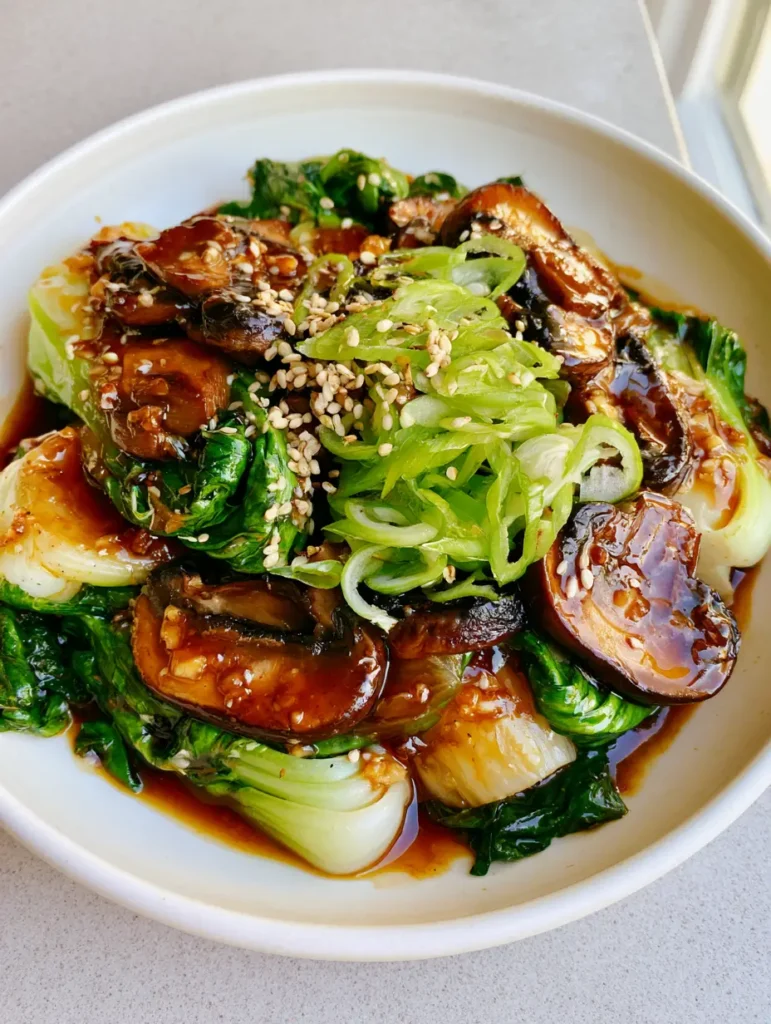
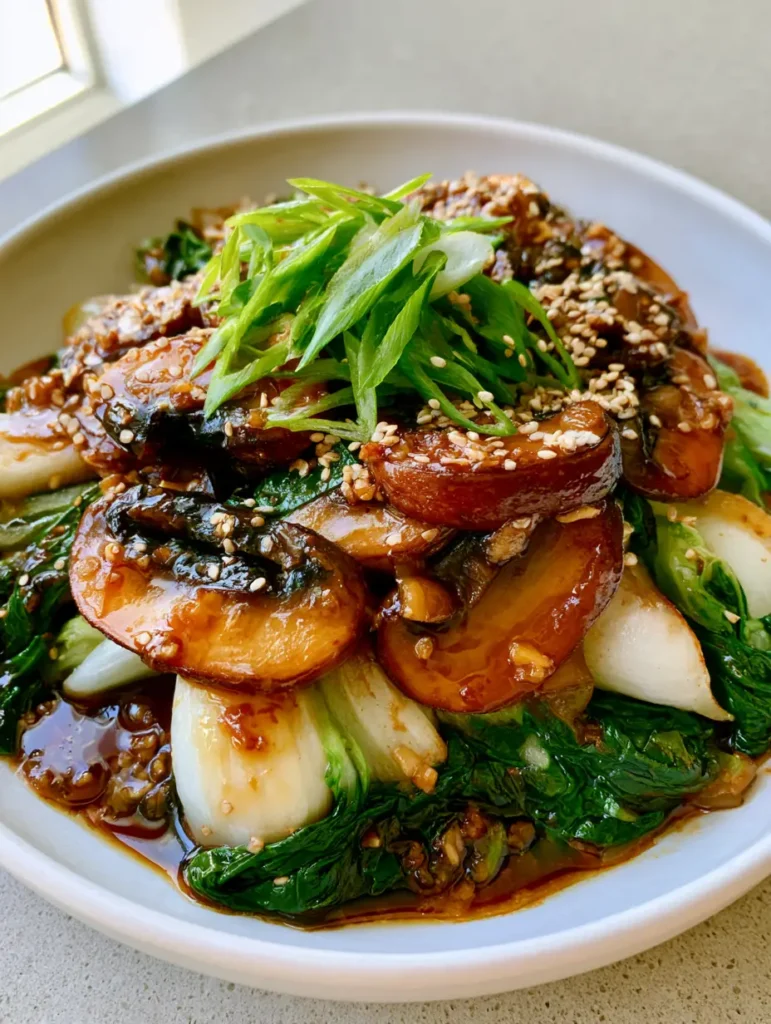
Imagine a shallow white ceramic bowl filled with vibrant green baby bok choy. The stalks remain tender and white, providing a satisfying snap, while the dark green leaves are just slightly wilted, clinging to a glossy, translucent dark brown sauce. Interspersed throughout are thick slices of cremini mushrooms, seared to a deep mahogany brown that mimics the texture of a fine steak. This is the visual and sensory experience we are building today.
In this guide, we are going beyond a simple toss-in-a-pan method. We are utilizing professional searing techniques to ensure your mushrooms don’t steam and your bok choy doesn’t turn to mush. This Bok Choy and Mushroom Stir Fry is about precision, heat management, and the perfect balance of garlic-infused soy glaze.
Why This Vibrant Green Stir Fry Works
- The Texture Contrast: By searing the baby bok choy, we achieve tender white stalks with a crisp bite and silky, slightly wilted leaves.
- Deep Umami Caramelization: We use specific heat intervals to ensure the cremini mushroom slices develop a deep brown crust, concentrating their earthy flavor.
- The “High-Gloss” Glaze: A carefully calibrated garlic soy sauce provides a translucent, dark brown coating that clings to every crevice without pooling at the bottom.
- Visual Brilliance: Toasted white sesame seeds and fresh green scallions provide the final pop of color and texture that makes this dish restaurant-quality.
The Essential Pantry Staples for Your Stir Fry
Every ingredient in this Bok Choy and Mushroom Stir Fry serves a functional purpose in achieving the final visual blueprint. We aren’t just adding flavor; we are building structure and sheen.
1 lb (450g) Baby Bok Choy: Look for heads that are compact with bright green leaves and firm white stalks. The “baby” variety is essential here because it allows us to slice them lengthwise, keeping the integrity of the plant intact for a better presentation.
8 oz (225g) Cremini Mushrooms: Also known as “Baby Bellas,” these are preferred over white button mushrooms for their lower moisture content and deeper flavor. They hold their shape perfectly when subjected to the high heat required for caramelization.
3 tbsp (45ml) Soy Sauce: This provides the salt and the deep brown pigment for our sauce. For a gluten-free version, Tamari is an excellent 1:1 substitute.
3 cloves Garlic: We want visible specks of minced garlic in the final glaze. Freshly minced garlic is non-negotiable; pre-minced jarred garlic will burn too quickly and lacks the aromatic punch needed here.
1 tsp (5g) Cornstarch: This is the secret to the “translucent” and “glossy” finish. It thickens the sauce just enough to coat the vegetables rather than running off them.
2 tbsp (30ml) Neutral Searing Oil: Use avocado, grapeseed, or canola oil. These have high smoke points, allowing us to get those deep brown sears on the mushrooms without the oil breaking down and smoking out your kitchen.
1 tbsp (15g) Toasted White Sesame Seeds: These offer a nutty crunch and a beautiful visual contrast against the dark brown glaze.
2 stalks Green Onions: Sliced thinly on a bias, these add a fresh, sharp bite that cuts through the rich, savory sauce.
Tools Required for Professional Results
To achieve the seared textures described in our visual blueprint, you need tools that can handle and distribute heat effectively. A heavy-bottomed carbon steel wok or a large cast-iron skillet is ideal. These materials retain heat better than non-stick pans, which is crucial when you add cold vegetables to the pan.
You will also need a very sharp chef’s knife. Clean cuts on the bok choy stalks and mushrooms ensure even cooking. If the mushrooms are torn or the bok choy is crushed during cutting, they will release juice prematurely and steam rather than sear.
Mastering the Sear: A Step-by-Step Guide
Preparing the Vegetables for Success
Start by washing the baby bok choy thoroughly. Dirt often hides at the base of the stalks. Slice each head in half lengthwise (or quarters if they are large). Pat them completely dry with a paper towel; any surface moisture will prevent the searing process.
Clean the cremini mushrooms with a damp cloth rather than rinsing them under water. Mushrooms act like sponges; if they soak up water, they will never achieve that deep brown caramelization we see in the visual prompt. Slice them into thick, 1/4-inch (6mm) pieces.
Achieving the Mahogany Mushroom Crust
Heat 1 tbsp (15ml) of oil in your skillet over medium-high heat until it shimmers. Add the mushroom slices in a single layer. Do not crowd the pan! If you have to cook in two batches, do it.
Resist the urge to stir. Let them sit for 2-3 minutes until the bottom side is a deep, rich brown. Flip and repeat. Once seared, remove them from the pan and set them aside. This ensures they stay firm and “meaty” rather than becoming rubbery.
Wilting the Bok Choy and Building the Glaze
Add the remaining oil to the pan. Place the bok choy cut-side down. Press down slightly to ensure contact with the heat. You are looking for a light char on the white stalks. This should take about 2 minutes. Flip them over and add a splash of water (about 1 tbsp), then immediately cover with a lid for 30 seconds. This steams the leaves to that “slightly wilted” state while keeping the stalks crisp.
Whisk together the soy sauce, minced garlic, cornstarch, and 2 tbsp (30ml) of water. Pour this mixture into the center of the pan. It will bubble and thicken almost instantly. Toss the bok choy to coat.
The Final Assembly and Garnish
Add the seared mushrooms back into the pan. Toss everything together for 30 seconds. You will see the sauce transform into a glossy, dark brown glaze that clings to the vegetables. The visible specks of minced garlic should be distributed throughout.
Transfer the mixture to a shallow white ceramic bowl. Immediately sprinkle with the toasted white sesame seeds and a handful of thinly sliced fresh green scallions. The heat from the dish will slightly soften the onions, releasing their aroma.
Expert Tips for the Ultimate Stir Fry
- The “Dry” Rule: I cannot emphasize this enough—moisture is the enemy of the sear. Dry your bok choy and mushrooms meticulously.
- The Cornstarch Slurry: Always whisk your cornstarch into cold liquid before adding it to the hot pan to prevent clumps.
- Mincing the Garlic: Aim for a fine mince rather than a paste. A paste will dissolve, but a fine mince provides those beautiful “visible specks” that signal a handmade sauce.
- Heat Management: If you see the soy sauce darkening too quickly or smelling burnt, pull the pan off the heat immediately and add a teaspoon of water to reset the temperature.
Perfect Pairings for Your Bok Choy and Mushroom Stir Fry
This dish is incredibly versatile. For a high-protein dinner, it pairs beautifully with honey garlic shrimp, where the sweet notes of the shrimp complement the savory soy glaze. If you prefer a beef-centric meal, serve this alongside a steak and avocado bowl for a fusion of textures.
If you’re looking for something more unconventional, the umami in this stir fry actually bridges well with a rich authentic cacio e pepe, or you can keep the stir fry theme going by serving it as a side to a hearty cowboy stir fry.
Storage, Reheating, and Meal Prep
To Store: Place leftovers in an airtight container in the refrigerator for up to 3 days. Note that the bok choy will continue to soften as it sits in the sauce.
To Reheat: Avoid the microwave if possible, as it will make the greens rubbery. Instead, flash-fry the leftovers in a hot skillet with a teaspoon of water for 1-2 minutes until heated through. This helps restore the gloss to the sauce.
Freezing: I do not recommend freezing this dish. The cellular structure of bok choy breaks down when frozen, resulting in a mushy texture upon thawing.
Common Questions About This Recipe
Yes, but you must separate the stalks from the leaves. The large stalks take significantly longer to cook, whereas baby bok choy can be cooked whole or halved.
Avoid soaking them. Mushrooms are porous and absorb water, which prevents browning. Instead, wipe them clean with a damp paper towel or a soft brush.
The secret is high heat and lack of movement. Sear them in a single layer without stirring for at least 3 minutes. This builds a crust and prevents them from steaming in their own juices.
It can be! Simply substitute the soy sauce with Tamari or coconut aminos and ensure your cornstarch is certified gluten-free.
This usually happens if the cornstarch slurry wasn’t mixed thoroughly or if the pan wasn’t hot enough. The cornstarch needs to reach a simmer to activate its thickening properties and create that translucent sheen.
The Best Bok Choy and Mushroom Stir Fry Recipe
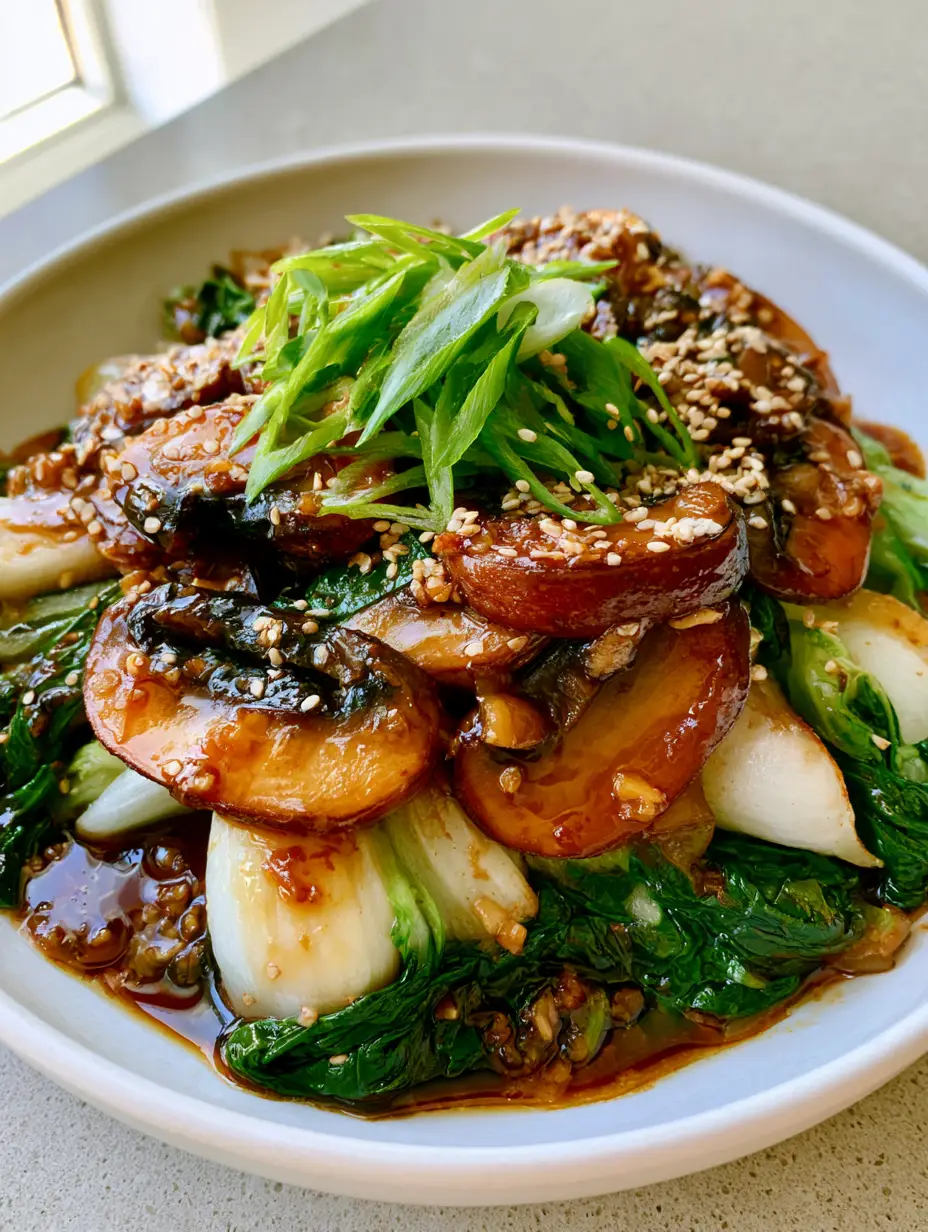
Bok Choy and Mushroom Stir Fry with Glossy Garlic Soy Sauce
Ingredients
Equipment
Method
- Wash and thoroughly dry the bok choy and mushrooms. Slice bok choy lengthwise and mushrooms into thick 1/4-inch slices.
- Heat 1 tbsp oil in a skillet over medium-high. Sear mushrooms undisturbed for 3 minutes per side until a deep mahogany crust forms. Remove from pan.
- Add remaining oil and sear bok choy cut-side down for 2 minutes. Add 1 tbsp water and cover for 30 seconds to wilt the leaves.
- Whisk soy sauce, garlic, cornstarch, and water. Pour into the pan, add mushrooms back, and toss for 30 seconds until glossy. Garnish with sesame seeds and green onions.
Notes
Use a high-smoke point oil like avocado oil for the best results.
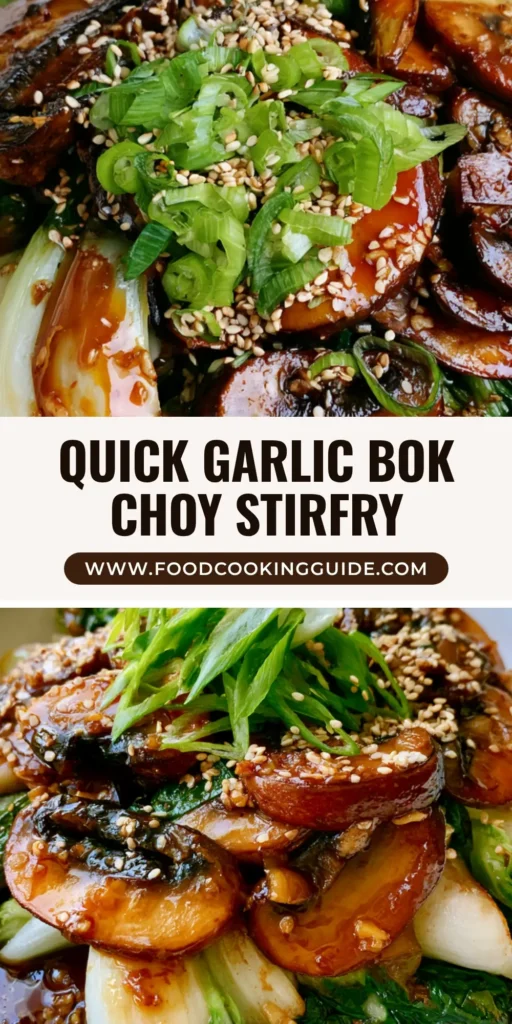
Closing Thoughts and Your Culinary Journey
Mastering the Bok Choy and Mushroom Stir Fry is a fundamental skill for any home cook looking to elevate their vegetable game. It proves that with the right technique, simple ingredients can be transformed into something visually stunning and incredibly flavorful. The combination of the deep mahogany mushrooms and the vibrant greens creates a dish that is as much a feast for the eyes as it is for the palate.
If you enjoyed this recipe, please leave a comment below and let me know how your sear turned out! Don’t forget to share your creations on Pinterest and subscribe to our newsletter for more professional culinary guides.